




















Food ecommerce: how to build the sales funnel from first order to loyal customer
Milica Subotic10 min read
IN SHORT
Selling food online isn't something you can improvise: you need a funnel that takes the customer from the first click through to repeat purchase. This article looks at the four stages of the funnel, from organic visibility to retention, with concrete examples for wineries, breweries and artisan producers. You'll find the levers that really make a difference at each stage, from the product page to post-purchase, including segmentation of the customer list. It closes with a practical checklist of everything you need to get started or correct course.
Topic of our service Web & E-commerce · industry Food & Beverage
Opening a food ecommerce store has become technically within anyone’s reach. The real problem isn’t creating the online shop but understanding why most food ecommerce sites generate a few sporadic orders and then stall. The reason is almost always the same: there’s no structured sales funnel guiding the customer from the first visit through to loyalty.
This article goes into detail on how to build a funnel for a food ecommerce store that really works: from the first Google search to repeat purchases. You’ll find concrete examples for artisan producers, wineries, breweries and food brands that want to sell food online sustainably.
Why selling food online calls for a different approach
In food ecommerce, customers need to trust you before they buy. They can’t smell, taste or touch the product. That means every point in the funnel has to work harder than it would for a clothing or electronics store.
The second thing that sets food ecommerce apart from other sectors is the potential for repeat purchases. People who buy artisan pasta, extra virgin olive oil or wine from a reliable food ecommerce store tend to come back. The acquisition cost pays for itself over time, but only if the funnel is designed to turn the first order into an ongoing relationship.
Then there’s logistics. In food ecommerce, shipping isn’t just an operating cost: it’s part of the product experience. A parcel that arrives damaged or late can wipe out all the work done on product pages and ad campaigns.
The four stages of a food ecommerce funnel
1. Awareness: getting found by people looking for food online
Most food ecommerce projects start from the assumption that a good product is enough for sales to follow. It doesn’t work that way. Anyone who wants to sell food online first has to be visible at the moments when potential customers are searching.
In food ecommerce, organic traffic comes from three distinct types of search. The first concerns the specific product: “buy Sicilian PDO extra virgin olive oil online”, “natural wine home delivery”. The second concerns the type of purchase: “how to sell food online”, “open an online food shop”. The third relates to the producer’s story: origin, local area, production methods.
An editorial strategy built around these three areas brings in qualified traffic that converts better than paid traffic because its intent is more defined. For a food ecommerce store that’s just starting out, investing in organic content before switching on paid campaigns is almost always the most efficient choice.
2. Consideration: turning visitors into buyers
A user who lands on a product page in a food ecommerce store already has an intention. The problem is that the intention can turn into a purchase or evaporate in thirty seconds, depending on how the page is built.
For food ecommerce, the levers that work at this stage are:
- Descriptions that tell the product’s story, not just list its features. “Produced in area X using method Y” doesn’t sell. “The grapes are picked by hand in the early hours of the morning” creates an image and justifies the price.
- Social proof in context. Not just stars, but specific reviews about taste, packaging and the buying experience.
- Clarity about shipping and storage. In food ecommerce, doubts about logistics are the main barrier to purchase. Times, methods and guarantees must be visible before checkout.
- Pairing or usage suggestions. They increase perceived value and, in most cases, raise the average basket value.
This applies just as much to a winery’s or an artisan food producer’s online shop as to a brand distributing on a larger scale. The logic is the same: reduce friction, increase trust, make buying the obvious choice.
3. Conversion: the first order is the start, not the finish line
In a food ecommerce funnel, the moment of purchase is the entry point into the relationship with the customer, not the end point. What happens right after the first order decides whether that customer will come back.
Three things make the difference immediately after a purchase in food ecommerce:
- A confirmation email that doesn’t sound like paperwork. Instead of the usual “your order has been received”, an email that explains what will happen next, who the producer is and how best to store what they’ve bought.
- Packaging and unboxing. In premium food ecommerce, opening the parcel for the first time is part of the product experience. A handwritten note or a card with the producer’s story can be worth more than any ad campaign.
- Asking for feedback at the right time. Not straight after the purchase, but 4-7 days after delivery, when the customer has had time to try the product.
A food sales funnel that stops at conversion leaves the most financially interesting part of the business on the table. The acquisition cost has already been paid: what follows is almost all margin.
4. Retention: where the real value of food ecommerce lies
The cost of acquiring a customer in food ecommerce can range from 8 to 40 euros depending on the channel and the product. If that user buys only once, the margin disappears. If they buy three or four times, the project becomes profitable.
The retention tools that really work in food ecommerce:
- Subscription programmes or regular boxes. These work well for fast-moving products: coffee, oil, wine, artisan pasta. A subscriber has a predictable LTV, which lets you plan your acquisition investment.
- Segmentation by type of purchase. Someone who bought red wine isn’t the same customer as someone who bought white. A food ecommerce store’s communications need to reflect that difference.
- Reactivation campaigns for dormant customers. A customer who hasn’t bought in 90 days can be won back with a relevant offer or a new product in line with their purchase history.
How to use data to improve your food ecommerce funnel
A food ecommerce sales funnel produces data at every point. The problem is that in most cases this data is read in aggregate (“this month I sold X”) instead of being used to understand where the funnel gets stuck.
Some metrics worth monitoring closely in food ecommerce:
- Cart abandonment rate by product category. Perishable products or those with shipping constraints have higher rates. The problem is often in how logistics are communicated, not in the price.
- Percentage of customers making a second purchase. If it’s below 20%, the problem lies in retention after the first order.
- LTV by acquisition channel. Customers who arrive from organic search tend to have a higher LTV than those from paid social, because their purchase intent is stronger.
If you want to explore how to bring data analysis into your food ecommerce strategy, our article on data-driven marketing goes into detail on the tools and attribution models you can apply straight away.
PPC campaigns for food ecommerce: when it makes sense to switch them on
The most common mistake in food ecommerce projects is switching on ad campaigns before the website is ready to convert. Paying for traffic and sending it to product pages with thin descriptions, no social proof and a confusing UX is like filling a bucket with a hole in it.
Paid advertising in food ecommerce works when:
- The product pages of the promoted products are optimised for conversion.
- There’s an active, segmented post-purchase email sequence.
- You know your average LTV, so you can calculate a sustainable CPA.
- Pixels and tracking are set up correctly to optimise campaigns over time.
If you’re considering investing in paid campaigns for your food ecommerce store, our page on PPC campaigns for ecommerce gives an overview of the most effective strategies and formats for the food sector.
Artisan food producers and wineries: the funnel for those who start from the product
Some of the most interesting projects in Italian food ecommerce come from artisan producers who built a digital presence from scratch. Wineries selling directly to consumers, breweries creating monthly subscriptions, pasta or preserves producers using digital channels to tell the story of their local area.
For these businesses, the food sales funnel has specific characteristics. The producer’s personal brand is often the main driver of trust, and showing who is behind the product speeds up conversion more than any campaign. Content about the local area and seasonality creates urgency without the need for discounts: “a limited run of 800 bottles, available while stocks last” works better than any promo code.
Communities, in the form of newsletters, private groups or messaging channels, are worth more than ad traffic in almost every case. A customer on the email list of a well-run winery shop has an average repeat purchase rate above 40%.
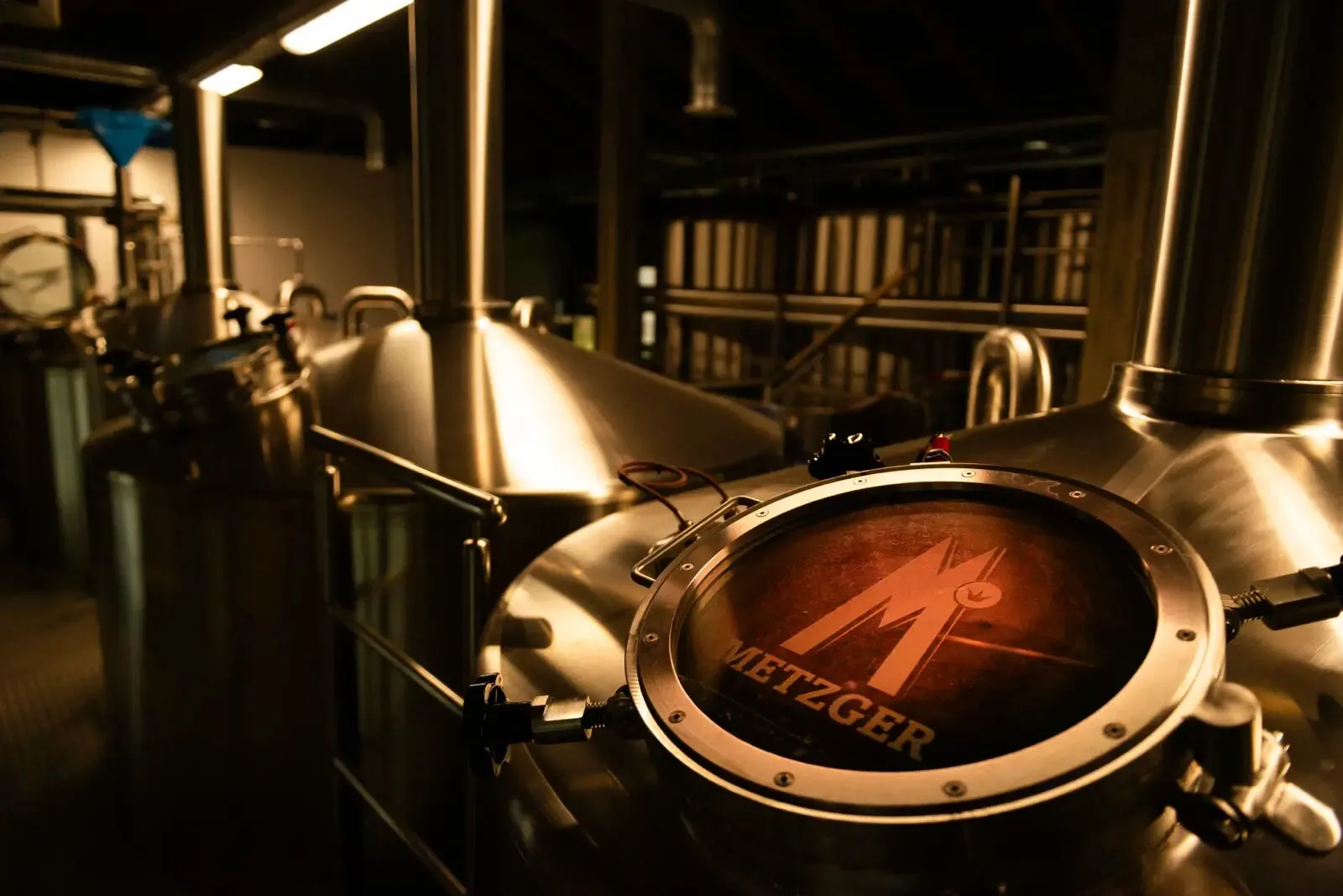
If you have a craft brewery or are developing the digital strategy for one, our article on marketing for craft breweries looks at how to build an online presence and open a direct sales channel, with examples that also apply to other artisan food shops.
How to open an online food shop: where to start
Before choosing the platform, the theme or the shipping setup, you need to answer three questions many people skip when they decide to sell food online.
Who do you want to reach? A food ecommerce store selling to consumers works in a completely different way from one aimed at restaurants or the professional trade. The answer changes the catalogue, prices, logistics and tone of voice.
What’s your flagship product? The one that triggers the first purchase isn’t necessarily the one that generates the most revenue over time. Understanding the difference changes the structure of the funnel and how you allocate investment in content and ads.
How much is a customer worth over time? If you don’t have historical data, make a conservative estimate. That number determines how much you can spend to acquire a new customer sustainably.
On the choice of platform: Shopify and WooCommerce cover 90% of use cases in Italian food ecommerce. Shopify is quicker to set up and has a mature app ecosystem for managing subscriptions. WooCommerce offers more flexibility for customisation and lower long-term costs if you already have a WordPress site. The platform is a tool, not a strategy: it’s better to start with the simplest version and optimise based on real data.
A practical checklist for your food ecommerce store
- Funnel mapped across the four stages: awareness, consideration, conversion, retention
- Product pages with narrative descriptions, quality photos and social proof in context
- An active post-purchase email sequence with at least 3 touchpoints in the first 10 days
- Retention metrics monitored: second-purchase rate, LTV by channel, cart abandonment
- PPC campaigns switched on only after optimising organic conversion
- An editorial plan integrated with a keyword strategy for the food ecommerce cluster
- Customer list segmented by product type and purchase frequency
- Logistics communicated clearly at every stage of the funnel, not just at checkout
The funnel is a structure, not a formula
Building a food ecommerce store that works takes patience and data. The projects that grow are those that start from product quality and a clear positioning, then add traffic, optimise conversion and work on retention step by step.
The funnel described in this article isn’t an abstract model. It’s the logical sequence every customer moves through, from their first contact with your food ecommerce store to repeat purchase. Your job is to work out at which stage most users get stuck and tackle that first. If you’d like to think through how to apply this logic to your own project, get in touch.