

















- THE FORMAT
- Vertical 9:16, native to Reels, TikTok and Shorts
- WHO MAKES IT
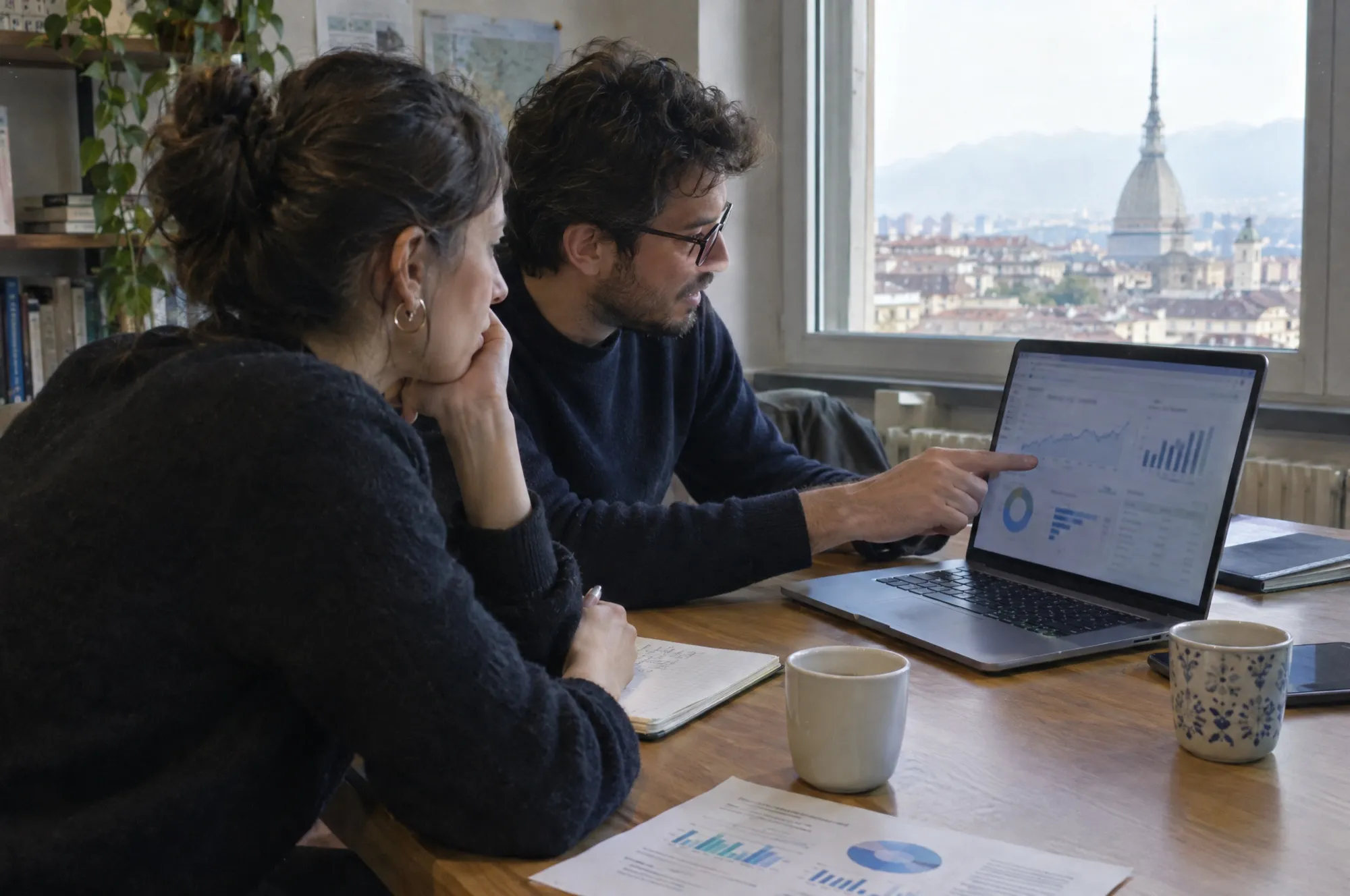
- Liliya, Giada Luna and Claudia, from idea to edit. Videographers and drones when needed
- WHAT WE WATCH
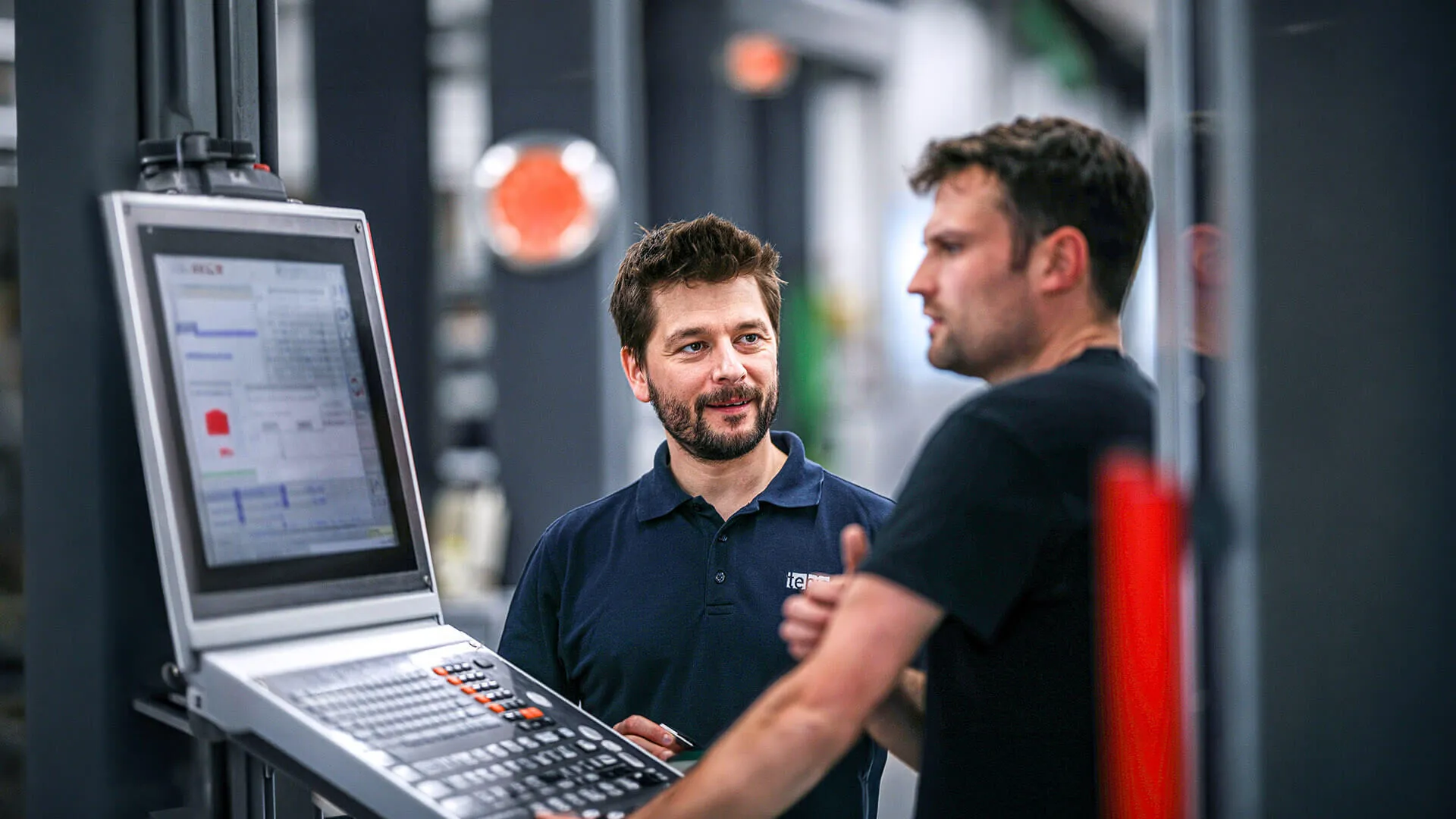
- How many people reach the end of the video, how many save and share it
IN SHORT
We produce vertical videos for our clients' social channels: native Reels, TikToks and Shorts, designed for people watching on their phones. They're made by Liliya, Giada Luna and Claudia, a team of three who come up with the ideas, write the scripts, shoot and edit. Artificial intelligence helps us make more variants in less time, which brings down the cost of each video. For more traditional filming we work with videographers and drone pilots.
What’s included
WHAT WE DO,
IN PRACTICE
01
The idea and the script
What has to happen in the first two seconds, what sticks in people's minds at the end. The script is written before the phone is switched on.
02
Filming where things happen
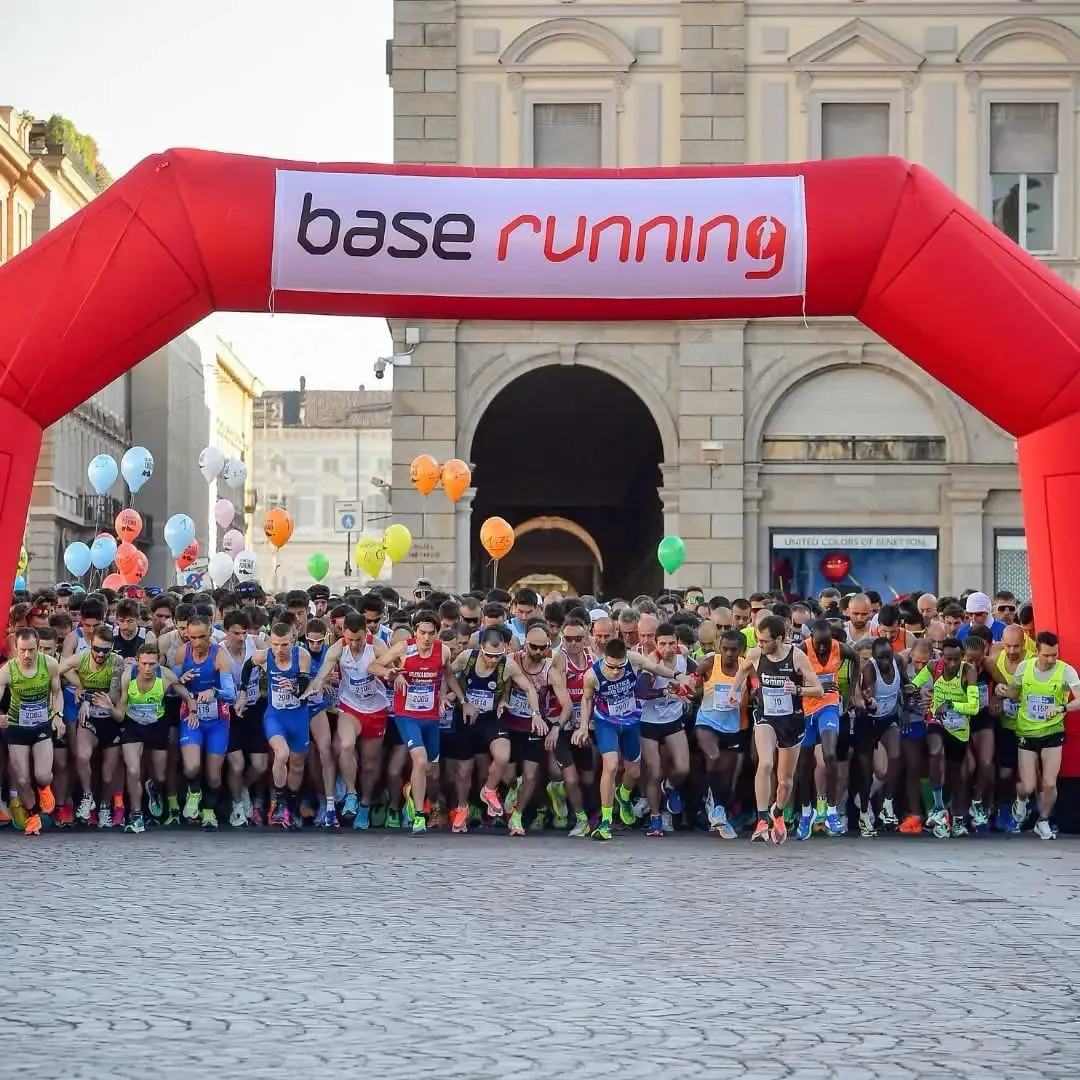
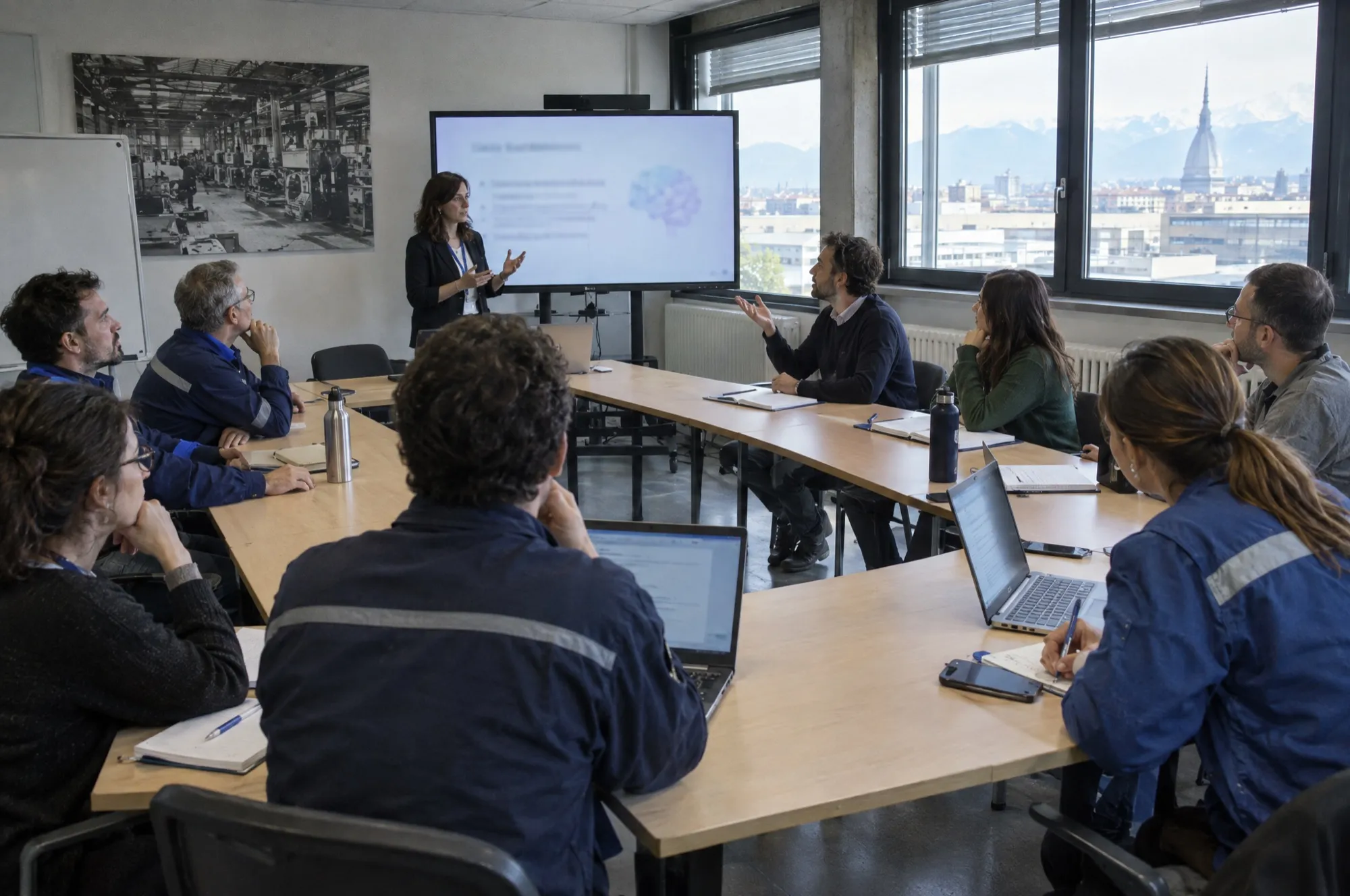
In the shop, in the showroom, at the meeting point before training, under the finish arch. With a phone when that's enough, with a videographer when it's needed.
03
Editing designed for scrolling
Pace, subtitles every time (almost everyone watches without sound), on-screen text in the areas the apps don't cover.
04
AI to do more with less
Hook variants, subtitles, storyboards, animated scenes and versions in other languages in a fraction of the time.
05
One video, many uses
The same footage becomes a Reel, a TikTok, a story, an ad and a cut for the website. Every hour of production pays for itself.
06
Numbers after every release
How many people watch to the end, how many save and share, how many click. The next video is written with this data in mind.
Made by us, for our clients
TWELVE VIDEOS,
SIX CLIENTS
Hover for a silent preview, click to watch them with sound. Under each one is the full project we did for that client.
Why vertical
On Instagram and TikTok people scroll with their thumb, phone in one hand. A horizontal video squeezed into vertical is spotted immediately, and skipped. A video born vertical fills the whole screen, speaks the language of the app and gets watched like any other content, even when it’s an ad.
That’s why most of the videos we make for clients start out this way: shot in 9:16, edited for scrolling, with subtitles always on because many people watch without sound.
Who makes them
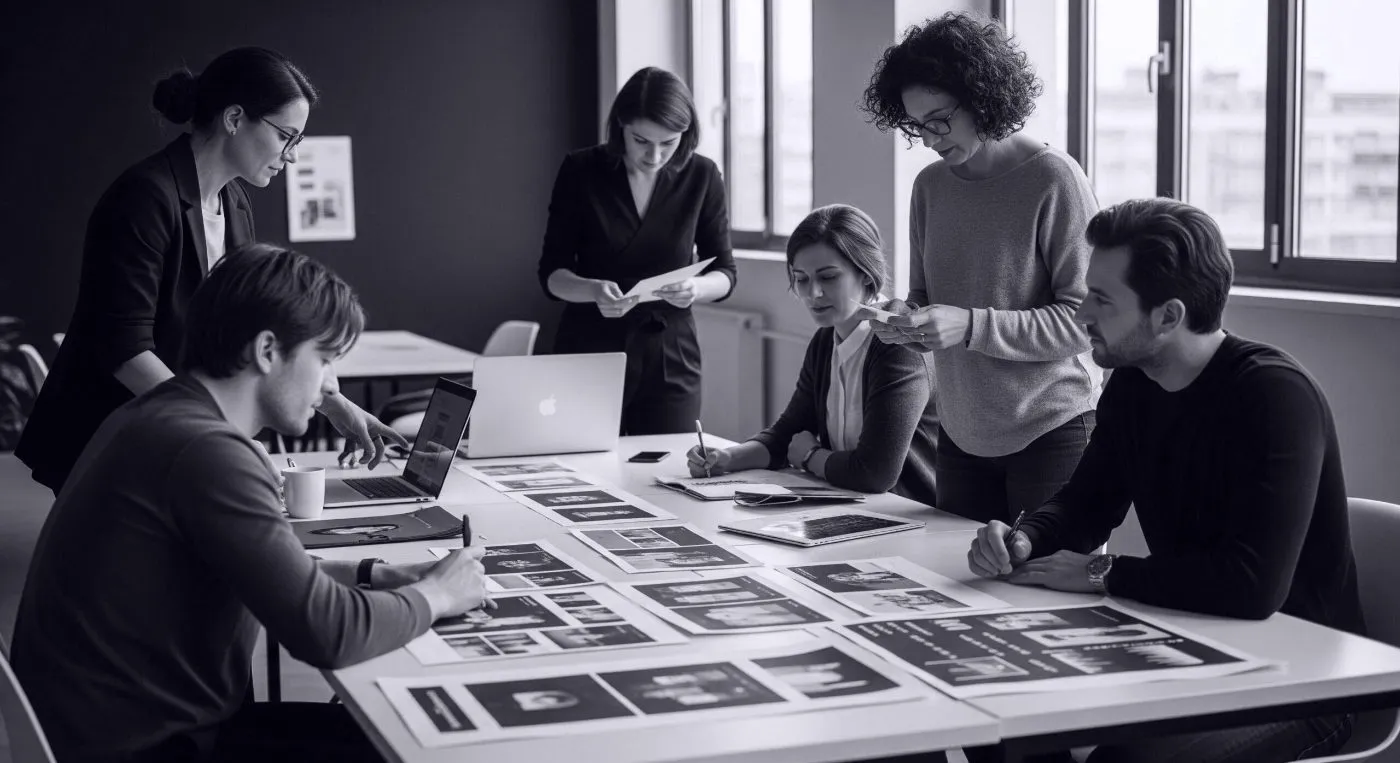
At the agency, vertical videos are made by Liliya, Giada Luna and Claudia, and it’s a team effort: all three come up with ideas, write the scripts, shoot and edit. Each brings something of her own. Liliya speaks five languages and has six years of international marketing behind her. Giada Luna trained at the Scuola Holden. Claudia comes from the Accademia Albertina di Belle Arti. On set there are usually two of them, and whoever isn’t filming watches the video through the eyes of the person who’ll see it while scrolling. When the project calls for it, we work with videographers and drone pilots for more traditional footage.
How artificial intelligence brings costs down
A 20-second vertical video looks simple, but there are many hours behind it: finding the idea, writing the script, organising the shoot, editing, subtitling, preparing the versions. With AI we take time away from the repetitive parts and leave it for the ones that matter. Here’s where, in practice.
Before filming. We use Claude and ChatGPT to read followers’ comments and messages, sort the most frequent questions and suggest dozens of different hooks for the same video. We make the choice, but starting from thirty proposals rather than a blank page saves hours. With Midjourney and Higgsfield we draw the storyboard in a few minutes. The client sees the video before it’s filmed, and changes are made on an image, not on a second day of filming.
During editing. Transcription and subtitles are generated automatically and we correct them. Silences are cut automatically. The first edit arrives faster, and the editor spends their time on pace, music and tone, which are the things that make people watch a video to the end.
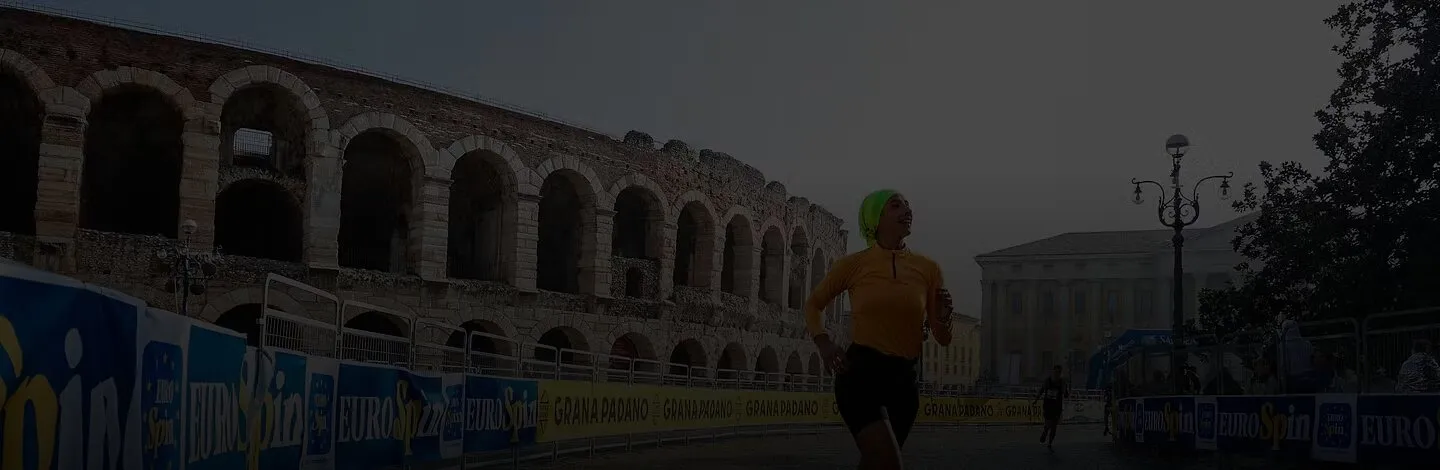
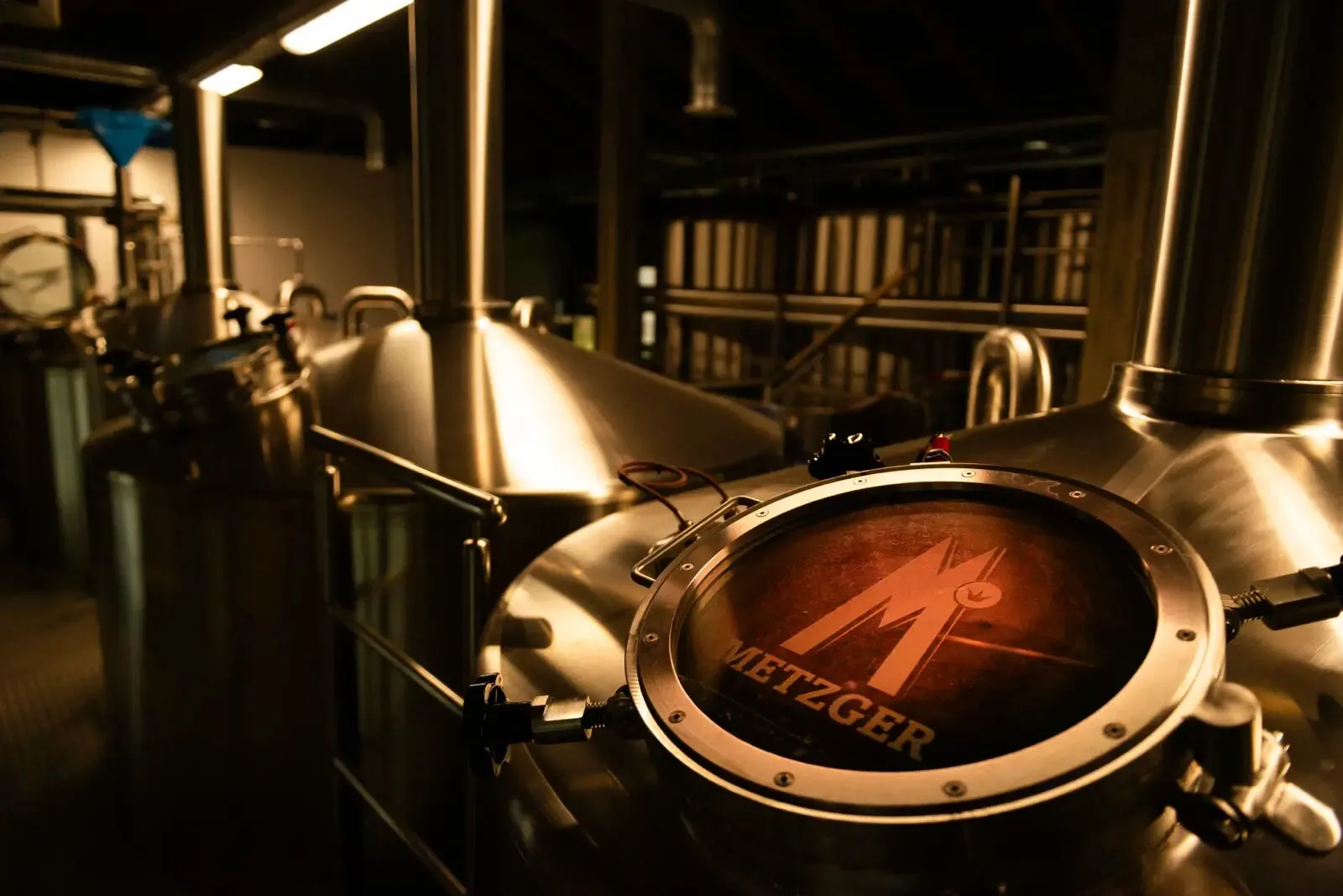
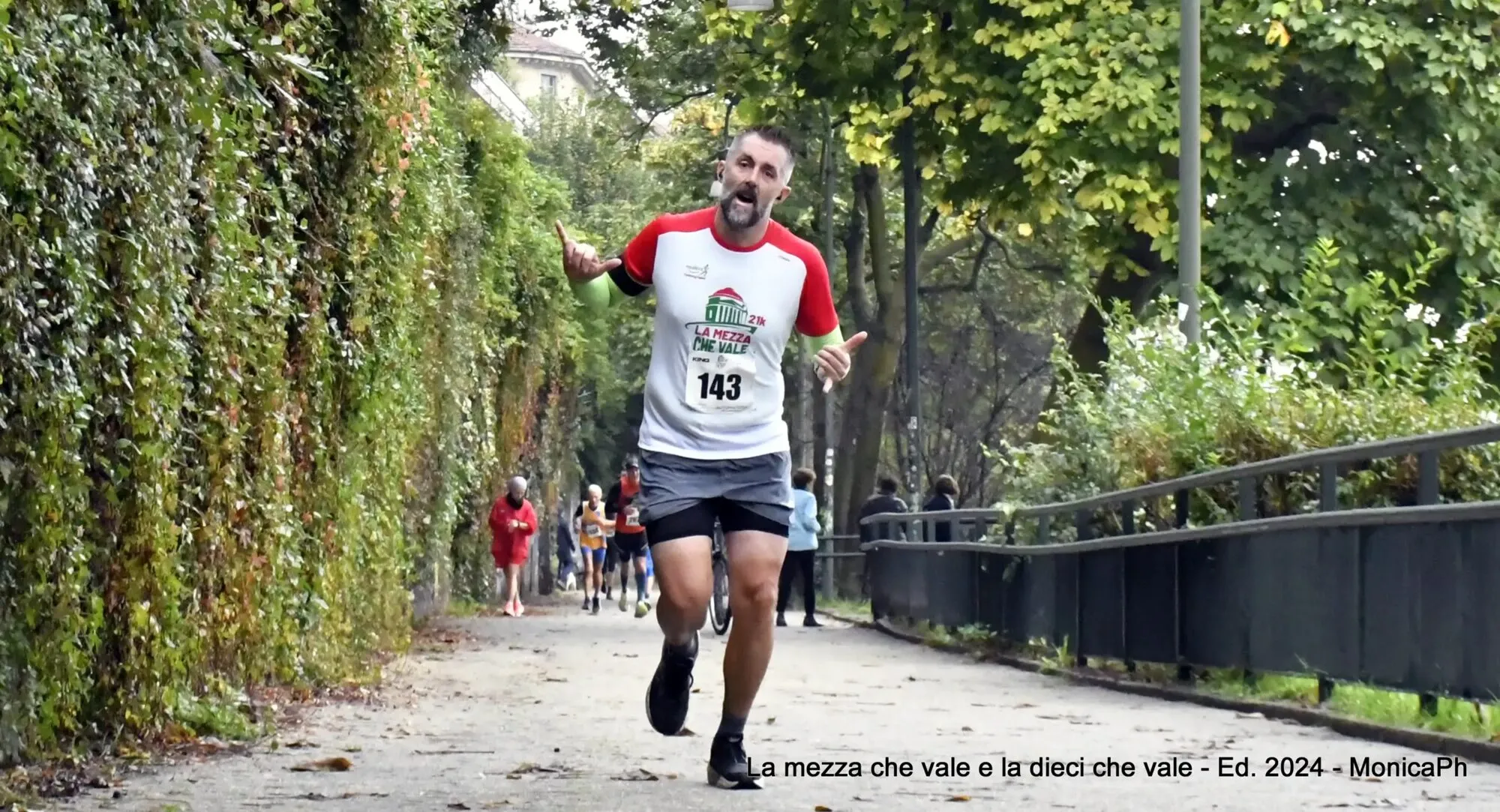
Scenes that would cost too much to film. An animation to launch a competition, a character, an impossible shot: with Higgsfield and other video generation models they’re created in hours, where they used to take days of animation. The wheels of fortune for Metzger 1848 and ASO Facile were made this way. And the two often mix: the “Inside the Arena” trailer for the Verona Run Marathon combines real race footage with AI-generated scenes that, filmed for real, would have required a crew and days of work.
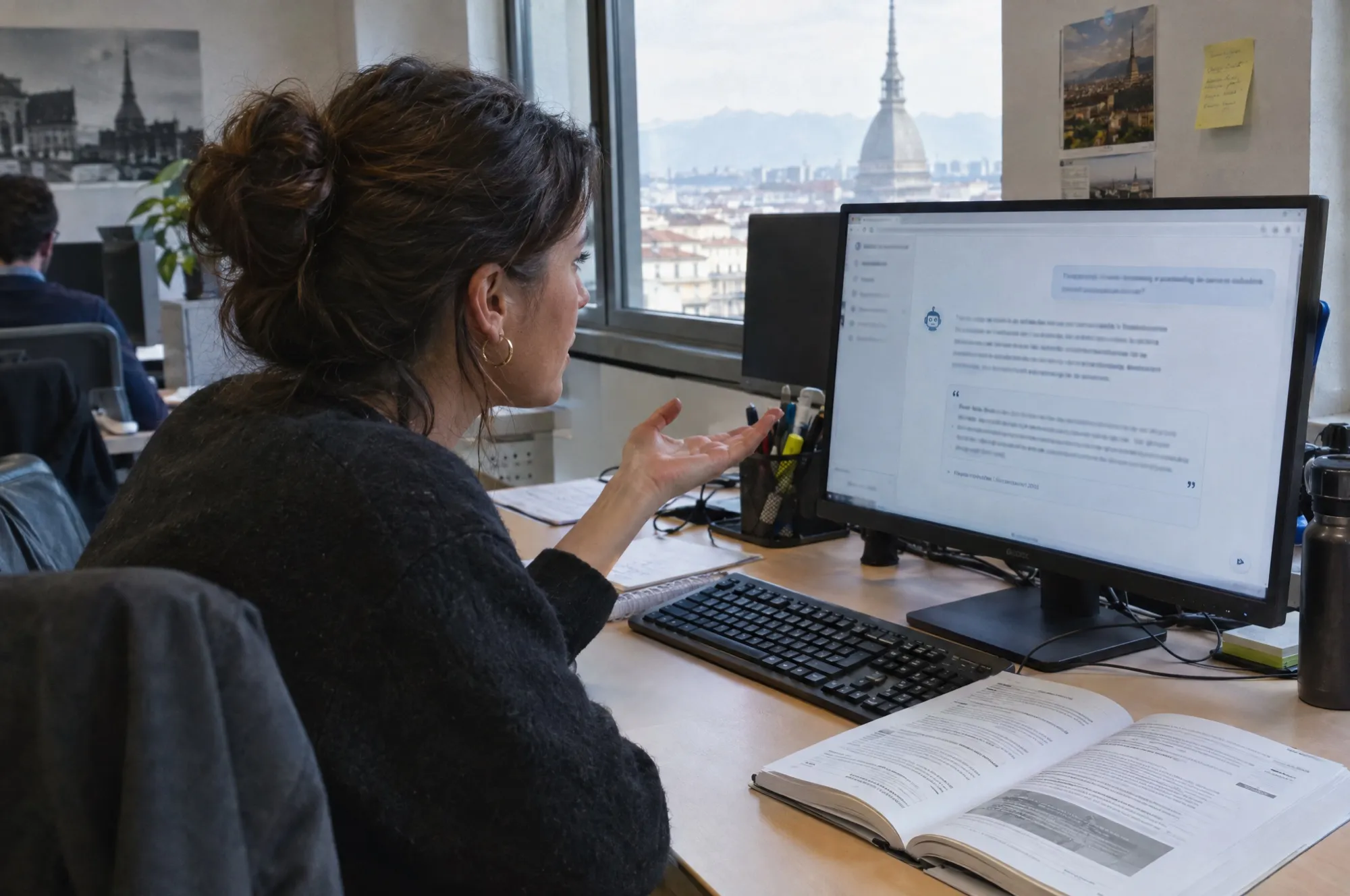
Voices and languages. With ElevenLabs we record voice-overs and versions in other languages without going back to the studio. With HeyGen we translate a video while keeping the speaker’s voice and lip movements, and we create avatars for content that’s updated often. A video shot once becomes three videos for three markets.
Variants. Advertising needs several versions of the same video, with different hooks, different copy and sometimes different languages. Preparing them by hand used to cost as much as a new video. Today they cost a fraction, and the campaign can test them against each other and keep the one that brings the best results.
The result is that the same budget produces more videos, or the same number of videos costs less. Two rules, however, don’t change: real people stay real people, and when generated content could look real we say so, as the AI Act also requires.
Where to find them
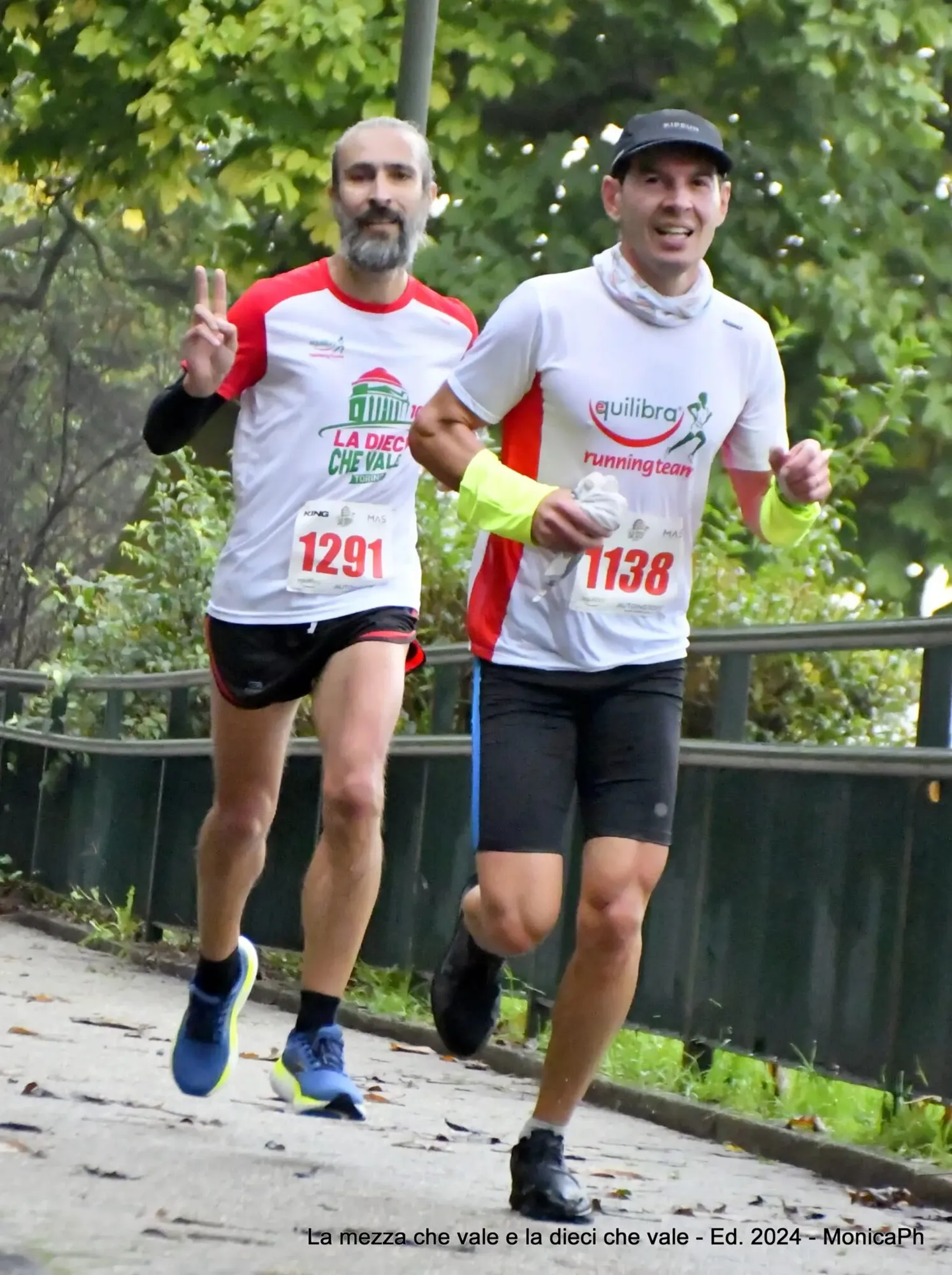
All the videos above have been published on our clients’ profiles. Each one leads to the full case study: Base Running, Equilibra Running Team, CSA, Verona Run Marathon, Metzger 1848 and ASO Facile. The videos are part of our wider work on social media and content, and they often become ads in paid social campaigns.
How we work
FROM THE IDEA TO THE PUBLISHED VIDEO
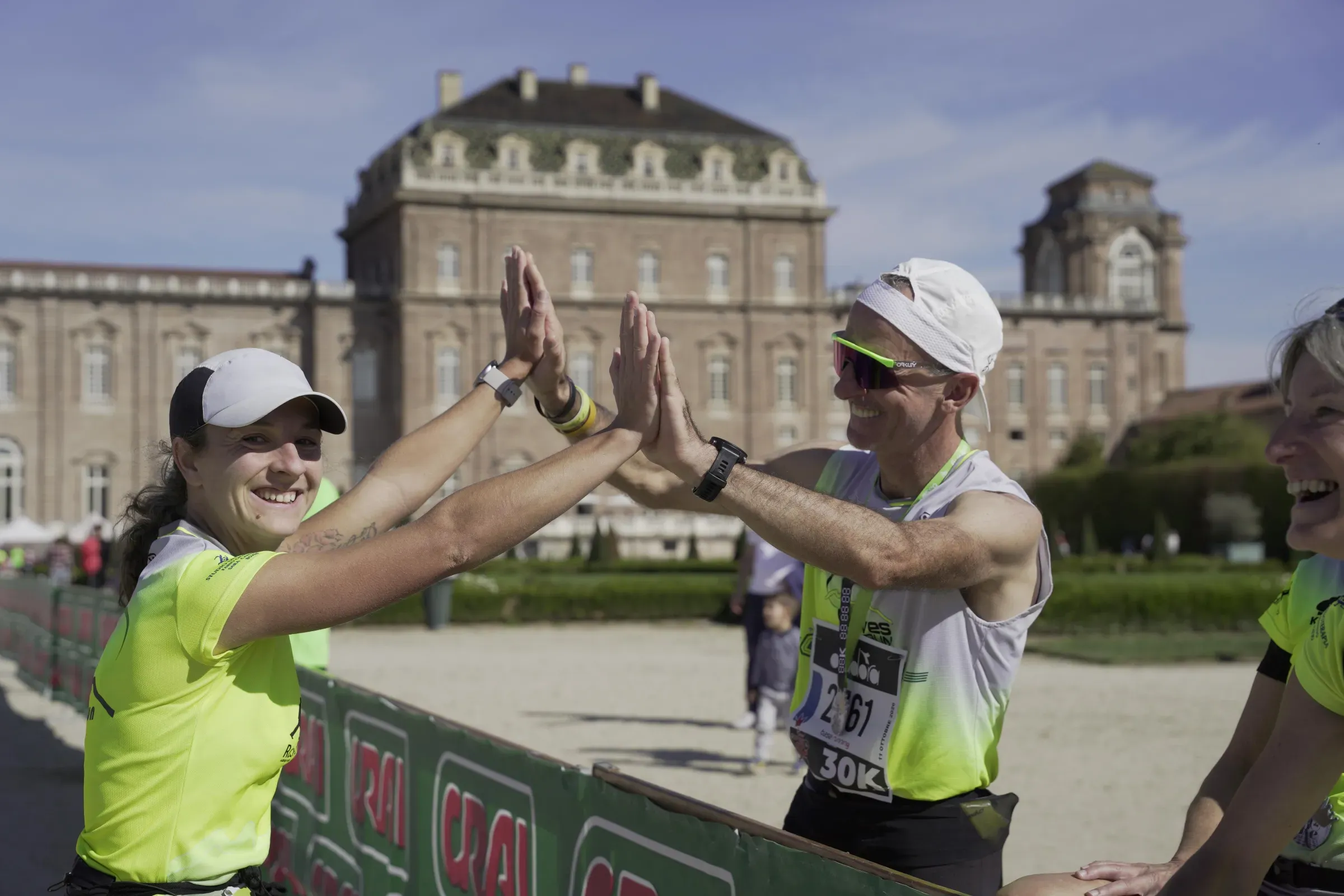
01
Idea
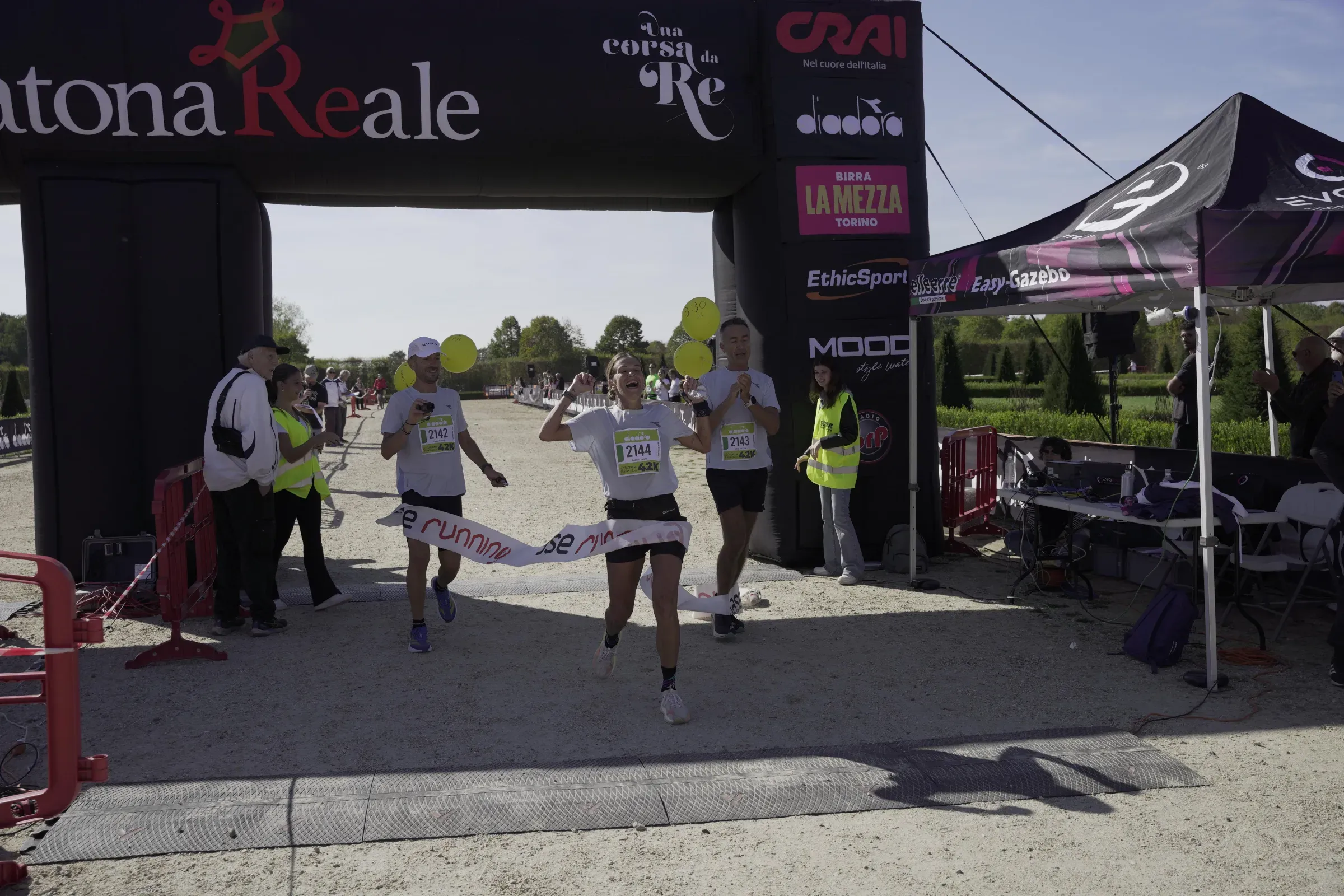
02
Script and storyboard
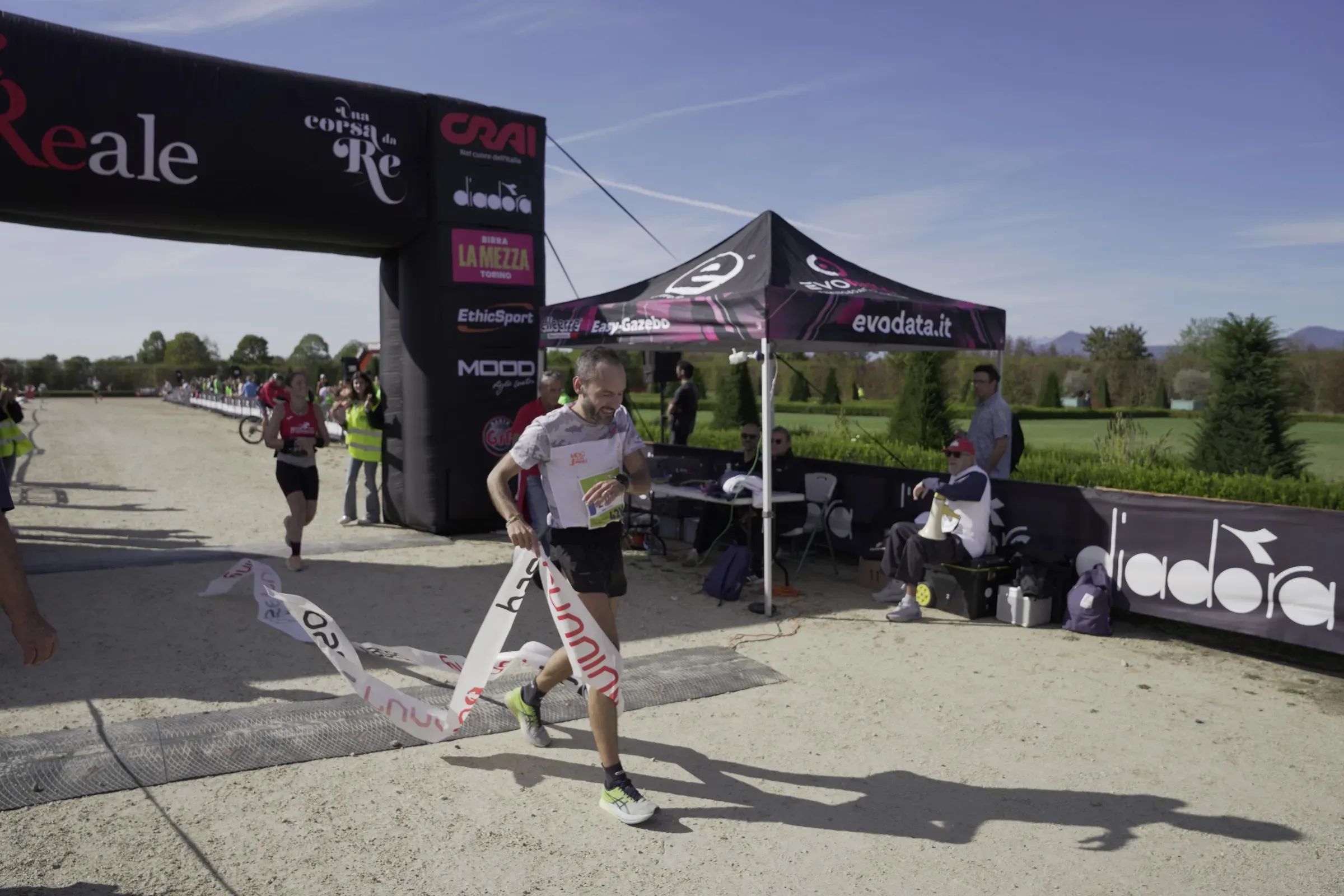
03
Filming
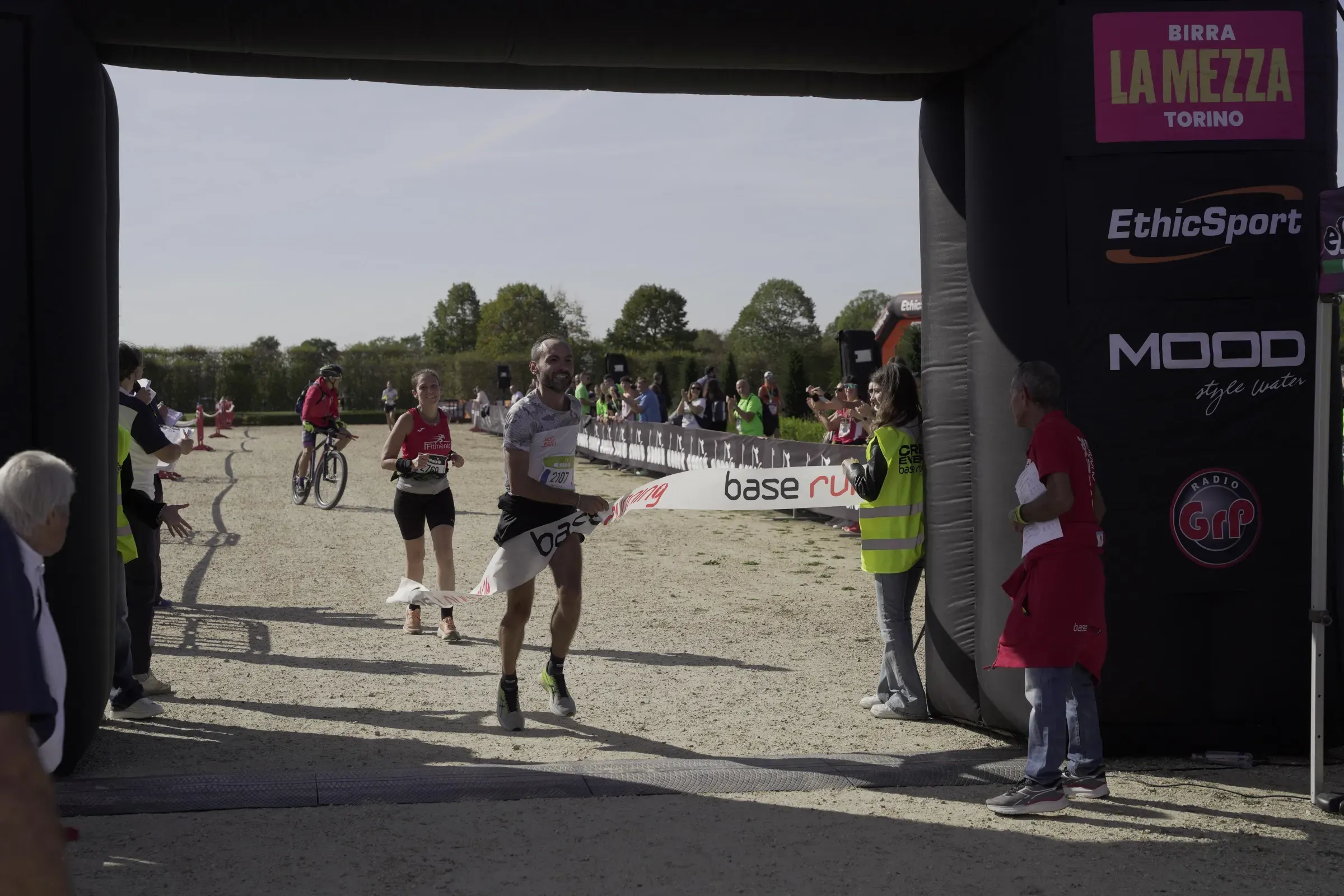
04
Editing
05
Publishing and numbers
STEP 01 OF 05
01
Idea
We start from what the video has to do (get people to sign up for a race, bring them to a showroom, get them to enter a competition) and from what already works in the feed of the people who'll watch it. Three or four ideas come out of it, and the client picks one.
02
Script and storyboard
Line by line, shot by shot. With AI we draw the storyboard in a few minutes, so the client sees the video before filming and changes cost nothing.
03
Filming
A well-organised half day produces footage for several videos. Phone, gimbal and microphones for the native format. Videographers and a drone when the project calls for more cinematic footage.
04
Editing
Pace, music, subtitles and text. AI handles the repetitive parts (transcription, cutting silences, first versions), while the editor takes care of pace and tone.
05
Publishing and numbers
Release on the editorial calendar, replies to comments, then the numbers. The video that works becomes an ad; the one that doesn't tells us what to change in the next.
WHAT WE WORK WITH
We did it for
THE PROJECTS WHERE
WE DID IT
Running events
RUNNING AND EVENTS
Base Running Team
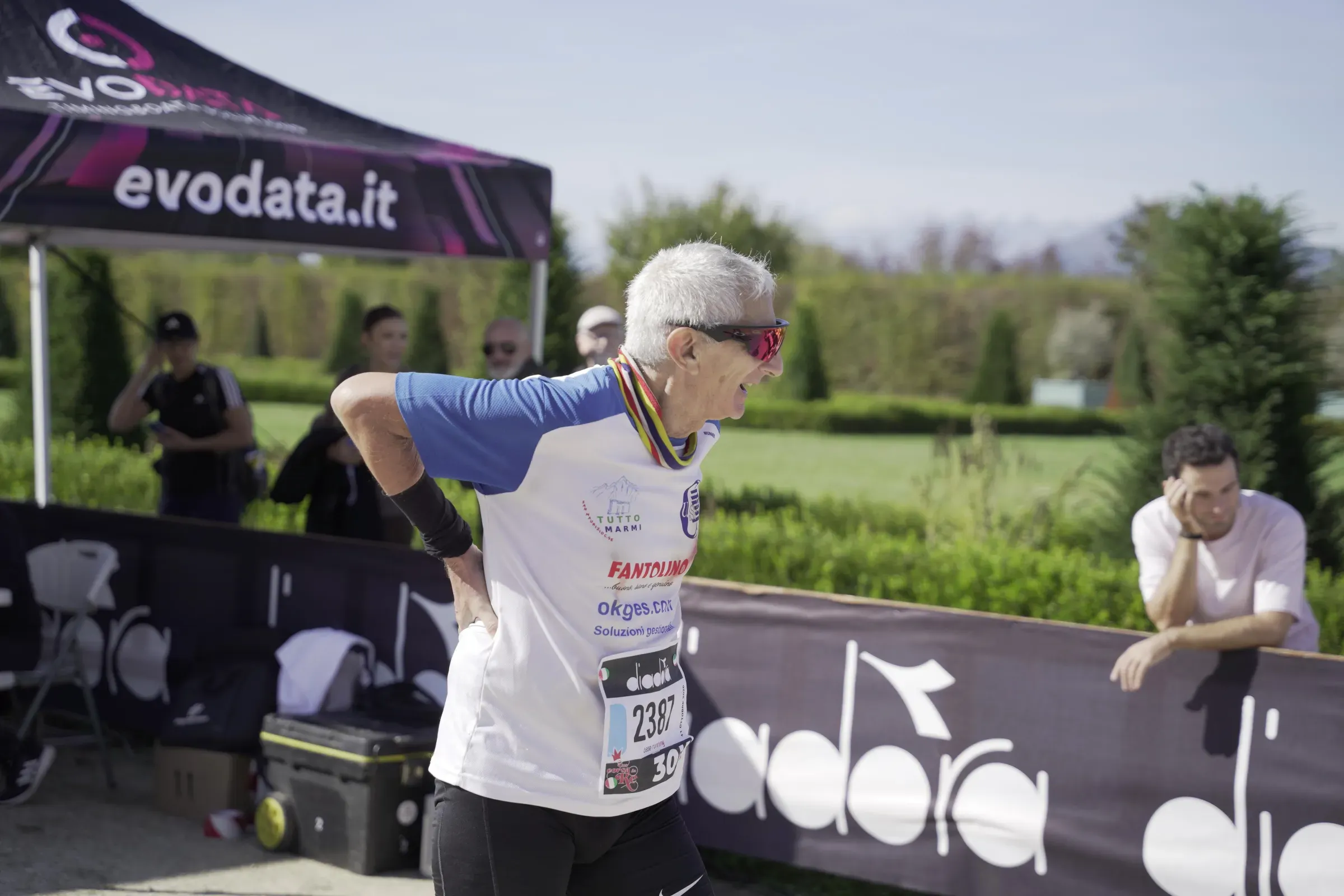
31,000participants in Base Running races in 2026
Read the case study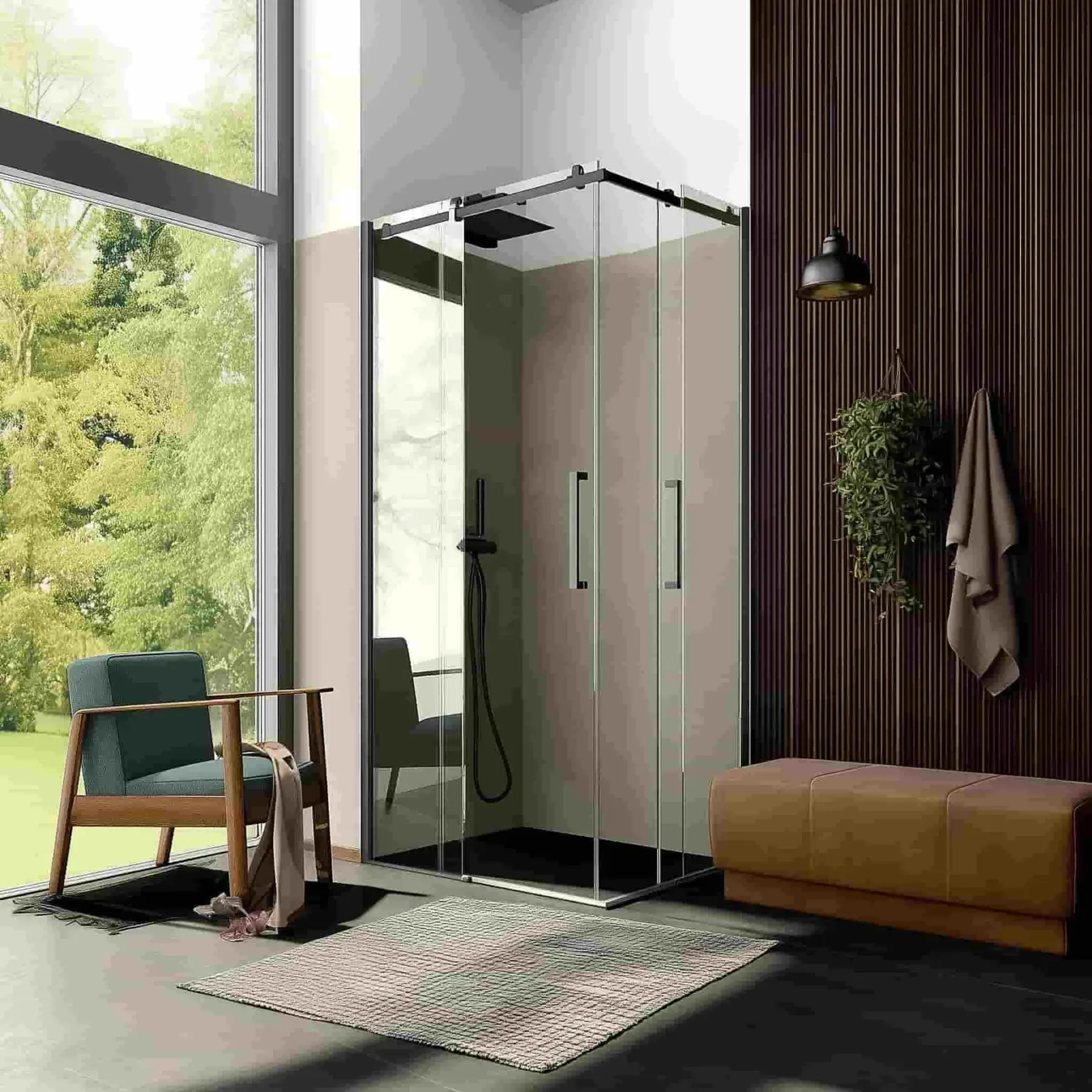 Shower enclosures

B2B & MANUFACTURING
CSA Box Doccia
10communication fronts we handle for CSA
Read the case study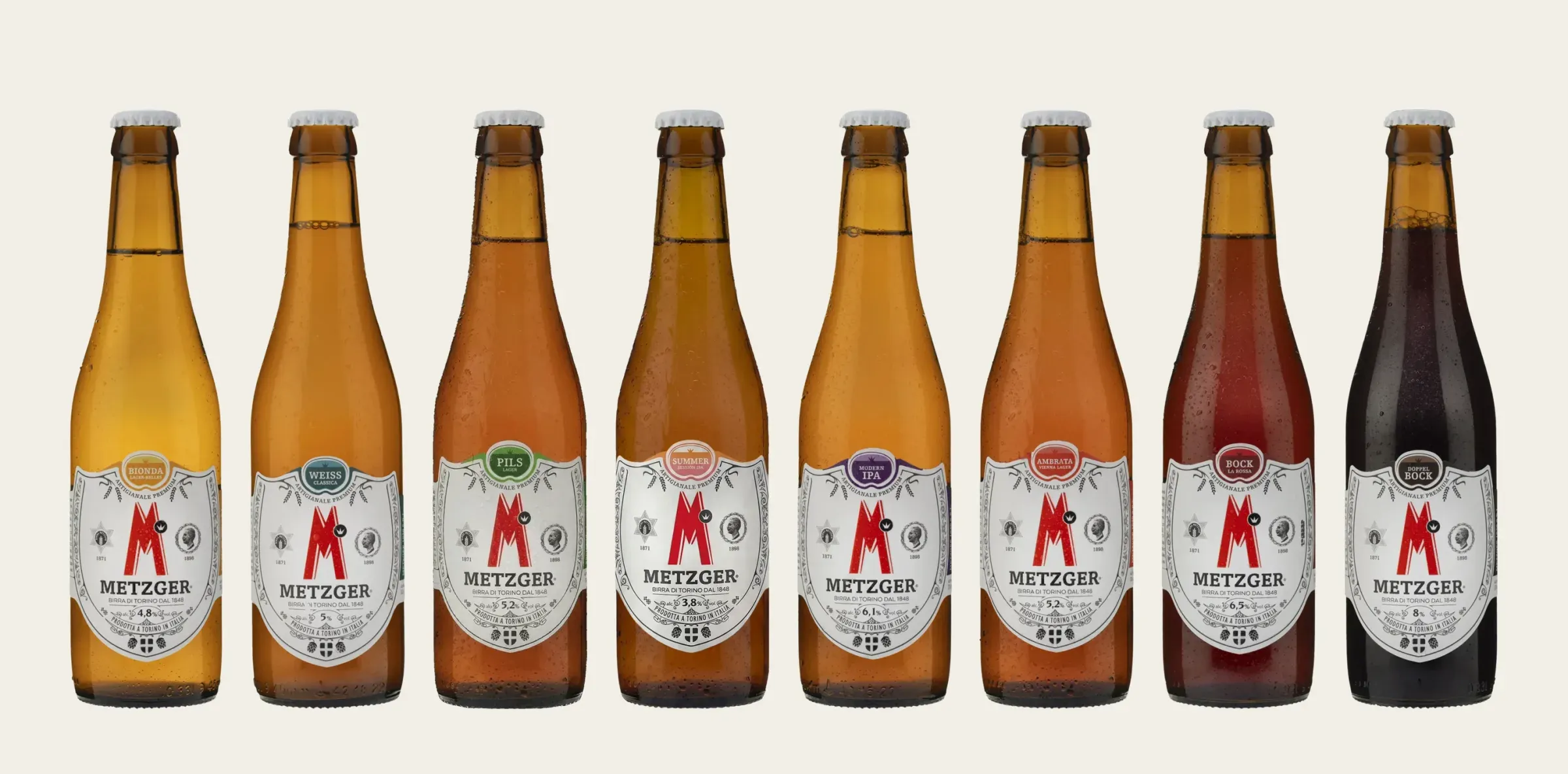 Craft beer

FOOD & BEVERAGE
Birra Metzger 1848
8fronts we handle for Turin's historic brewery
Read the case studyBetter said up front
WHEN A VERTICAL VIDEO ISN'T ENOUGH
NO
You need a TV or cinema ad
A long horizontal format, with crew, actors and post-production, is a different job. We'll put you in touch with people who do it, or coordinate it ourselves with our videographers.
NO
Nobody in the company wants to appear on camera
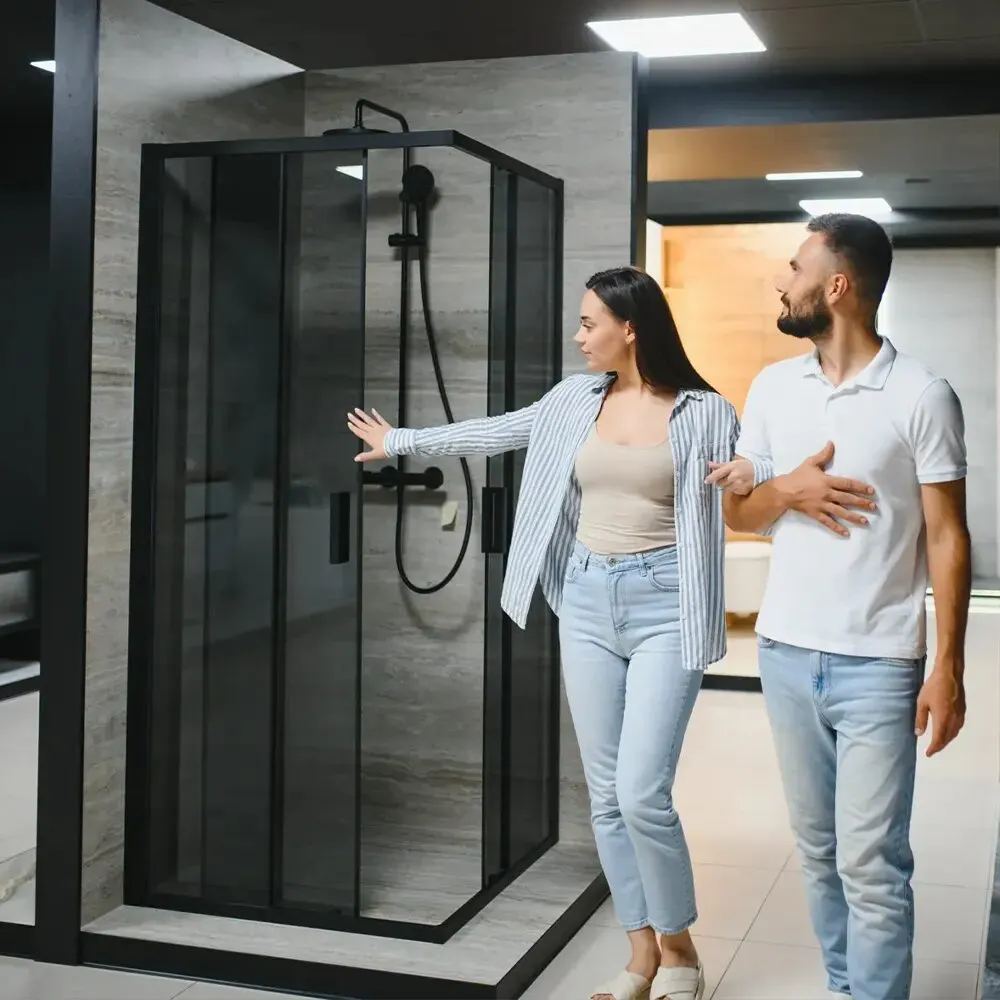
You can do without faces, but videos with real people perform better. If there's nobody, we work with product, hands and places, as in CSA's tutorials.
NO
You want a viral video
Nobody can promise that. We can promise well-made videos, produced consistently, measured and improved. Virality, when it comes, comes that way.
The questions we get asked
THE QUESTIONS WE GET ASKED MOST
How long should a vertical video be?
As long as it takes to say one thing. Ours range from 7 seconds for a race ad to 54 for a trailer. What matters more is how many people reach the end. A 15-second video watched to the end performs better than a 60-second one abandoned halfway.
Do you film with phones or cameras?
Almost always with phones, because native formats need to look as if they were born on social media, and a recent phone shoots in 4K. When more cinematic footage is needed, from above or with several operators, we work with trusted videographers and drone pilots.
How do you use artificial intelligence in videos?
For the repetitive or expensive parts: variants of the opening seconds to test (Claude and ChatGPT), storyboards before filming (Midjourney and Higgsfield), transcription and subtitles, animated scenes that would be too expensive to film (Higgsfield), voices and versions in other languages (ElevenLabs and HeyGen). Real people stay real, and we label generated content that could look real.
How many videos do we need a month?
It depends on goals and budget, but consistency matters more than volume. Better four videos a month for a year than twenty in January and then nothing. A well-organised day of filming usually covers the month.
Can the videos be used for advertising too?
Yes, and it's one of the reasons we make them vertical and native: on Meta and TikTok, ads that look like normal content perform better. We prepare two or three different hooks during the edit, so the campaign can test them against each other.

TELL US WHAT NEEDS
TO HAPPEN AFTER THE VIDEO
Thirty minutes to work out what to tell, where to film it and how many videos you need a month. You usually leave with the first three ideas already written.