
























Local event SEO: the strategy for maximum visibility
Milica Subotic6 min read
IN SHORT
Local event SEO is essential for reaching a nearby audience with a strong intention to attend. An optimised event page, with localised content and structured data, is the foundation of the strategy. Visibility grows through Google Business Profile, local backlinks and event platforms. Social media amplifies the message but doesn't replace SEO. Measuring data and conversions lets you improve event after event.
Topic of our service SEO & GEO · industry Running and events
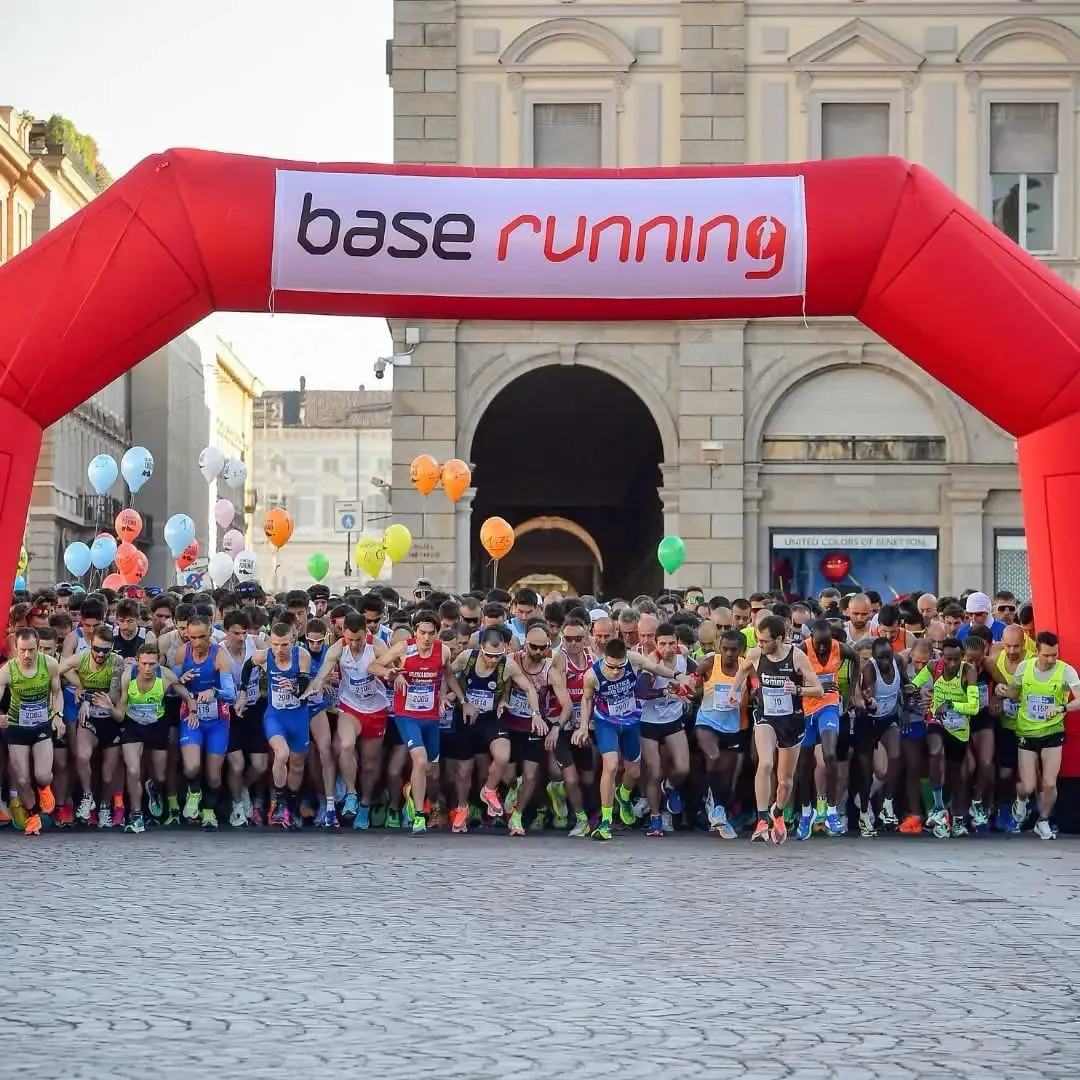
If there’s one thing we’ve learnt in digital marketing, it’s that attention is the most valuable currency. That’s even more true when we need to reach a specific, geographically limited audience close to what we do. Advertising an event online has become an art, and to make it work there’s one essential discipline we can’t ignore: local event SEO. We’re not just talking about putting up a post on social media. We’re talking about strategy and surgical precision, so that your event is found by exactly the people who are a few kilometres away and looking for something to do.
In this article we want to share our experience and the tactics we use to turn a well-organised event into a sell-out, thanks to a solid online event communication strategy.
The power of location: why local event SEO is crucial
Organising an in-person event, whether it’s a workshop, a fair, a concert or a traditional festival, means running into a digital paradox: we have to use global channels (the internet) to reach an ultra-local audience. The problem isn’t so much finding people as reaching the right ones, at the right time.
This is where local event SEO comes in: a specialist approach that uses search intent tied to geolocation. Think of a user typing “what to do tonight in Milan” or “antiques market in Florence” into Google. These are high-intent queries, and appearing among the top results means converting a casual browser into an active participant.
At Digital Runner, when we need to promote an event online, we always start by analysing local intent. Skipping this stage means wasting budget on ad campaigns or content that ends up forgotten in a corner of the web. Our mission is to make sure the event is clearly visible to the target audience in the area.
Laying the foundations: optimised web pages
The first step in effective local event SEO is creating a dedicated web page (a landing page or a section of your site) that serves as a genuine, fully optimised information hub. Don’t rely only on external ticketing platforms or Facebook events: your own domain should be the primary source of authority.
1. Low-competition, high-value URL and title tag
Our approach starts with optimising the title tag and URL, including the main keyword and the location. This helps search engines understand what the page is about and immediately captures users looking for that specific event in that area.
2. Structured data for local search
This is a technical part we can’t overlook. To make Google understand that our page isn’t a generic article but a real event taking place at a specific place and time, we use Event structured data (schema markup). This data gives search engines precise information such as:
- Event name
- Start/end date and time
- Location (with full address)
- Organiser information
- Ticket details
Implementing this data correctly dramatically increases your chances of appearing in rich results (rich snippets) or Google’s Knowledge Panel, which offer unrivalled visibility for local event SEO.
Content is king, location is the crown
When we need to promote an event online, the page content is essential. Writing “Amazing event, come along!” isn’t enough. We need content that is rich, engaging and above all localised.
Local logistics details: we add practical information unique to the area, such as precise directions, public transport to the venue, nearby car parks or deals with local hotels. This improves the user experience and enriches the content with terms Google associates with the location.
Geotagged multimedia content: we use photos and videos of the venue, of the previous edition (if there was one) or of the speakers. Let’s make sure we geotag the images or at least include the location in the alt text and file names.
Another powerful SEO strategy for local events is creating related blog articles that explore topics relevant to the local community and the event itself. For example, if we’re organising a tech fair in Turin, we might also write “The 5 best coworking spaces in Turin for tech professionals”. These articles create a network of internal links that strengthens the authority of the event page and captures broader queries.
Amplifying the message: online event communication strategies
A solid on-page strategy is the foundation, but for a successful event we need to amplify the signal. After all, the goal is to advertise the event online as widely as possible.
3. Google Business Profile (formerly Google My Business)
If the event takes place at a fixed venue (our office, a bar or restaurant, a conference centre), making the most of Google Business Profile (GBP) is essential. We can create a post about the event directly on our listing, which will appear in local searches and on Google Maps. This is a first-class local SEO ranking factor. Consistent NAP (name, address, phone) across all platforms, including the event page, is a pillar of local event SEO.
4. Local backlinks and mentions
Link building is crucial, and from a local perspective it takes on special importance. To promote an event online, we need to aim for mentions and links from authoritative local sources:
Local blogs and newspapers: we contact local news outlets, industry blogs and local influencers to let them know about the event. A link from a local source carries enormous weight in local event SEO.
Event listing platforms: we list the event on platforms such as Eventbrite, Meetup, AirBnB and every local events calendar we can find. Even though these are often nofollow links, a consistent NAP mention (citation) is essential for strengthening geographical authority.
5. Social media as a sounding board
Social media doesn’t replace SEO: it complements it as part of well-rounded online event communication. We use Facebook, Instagram and LinkedIn for direct promotion and to drive traffic to our optimised landing page. We create an event hashtag and promote it so that attendees themselves become promoters. Organic sharing and interaction on social media send signals to Google that contribute to the event’s profile and relevance locally.
Measuring the success of local event SEO
Finally, the last stage of our local event SEO strategy is measuring and analysing the results. We can’t improve what we don’t measure.
We monitor Google Analytics and Search Console data closely to understand:
-
Which local queries bring traffic to the page (and how much of it is paid and how much organic).
-
The conversion rate (registrations, ticket sales) from organic traffic.
-
The average position for our primary and secondary keywords for promoting the event online.
This data lets us optimise as we go and refine our strategy for future events. For example, if we notice that a particular query generates a lot of traffic but few conversions, we can work on the content to make it more targeted.
Our commitment to local event SEO
The truth is that promoting an event online takes a strategic approach in which local event SEO is the backbone of the entire online event communication strategy. At Digital Runner we firmly believe that by investing in solid local optimisation you can overcome the geographical limits of the web and achieve the success you’re aiming for. Choosing local event SEO means choosing efficiency, authority and, ultimately, success.
Don’t miss the chance to make your next event shine locally! Contact us today!
 FREE GUIDE · 21-PAGE PDFSEO + AI Search 2026: the complete checklist for staying visible on Google and in AI answersA practical guide to making your website, content and brand findable on Google and citable by AI Overview, AI Mode, ChatGPT, Gemini and Perplexity, with ready-made checklists and templates.Read it or download the PDF