
























Social media for breweries: more than photos of bottles
Milica Subotic9 min read
IN SHORT
Managing social media for breweries takes a strategy that goes beyond a simple photo of a bottle. Many breweries make the mistake of using social media as a catalogue, coming across as boring and failing to sell. An effective strategy has to rest on clear pillars: storytelling about the process, product education, community building and targeted B2B communication. This approach, which takes time and expertise, is the only way to turn followers into customers and trade partners.
Topic of our service Social Media & Content · industry Food & Beverage
Opening a brewery isn’t a job, it’s a calling. It’s made of early starts, sacks of malt, trials of recipes that never quite convince you, and that almost chemical passion for fermentation. We know it well. And we also know the thought that so often holds back social media for breweries: “So what do I post on Instagram now?”
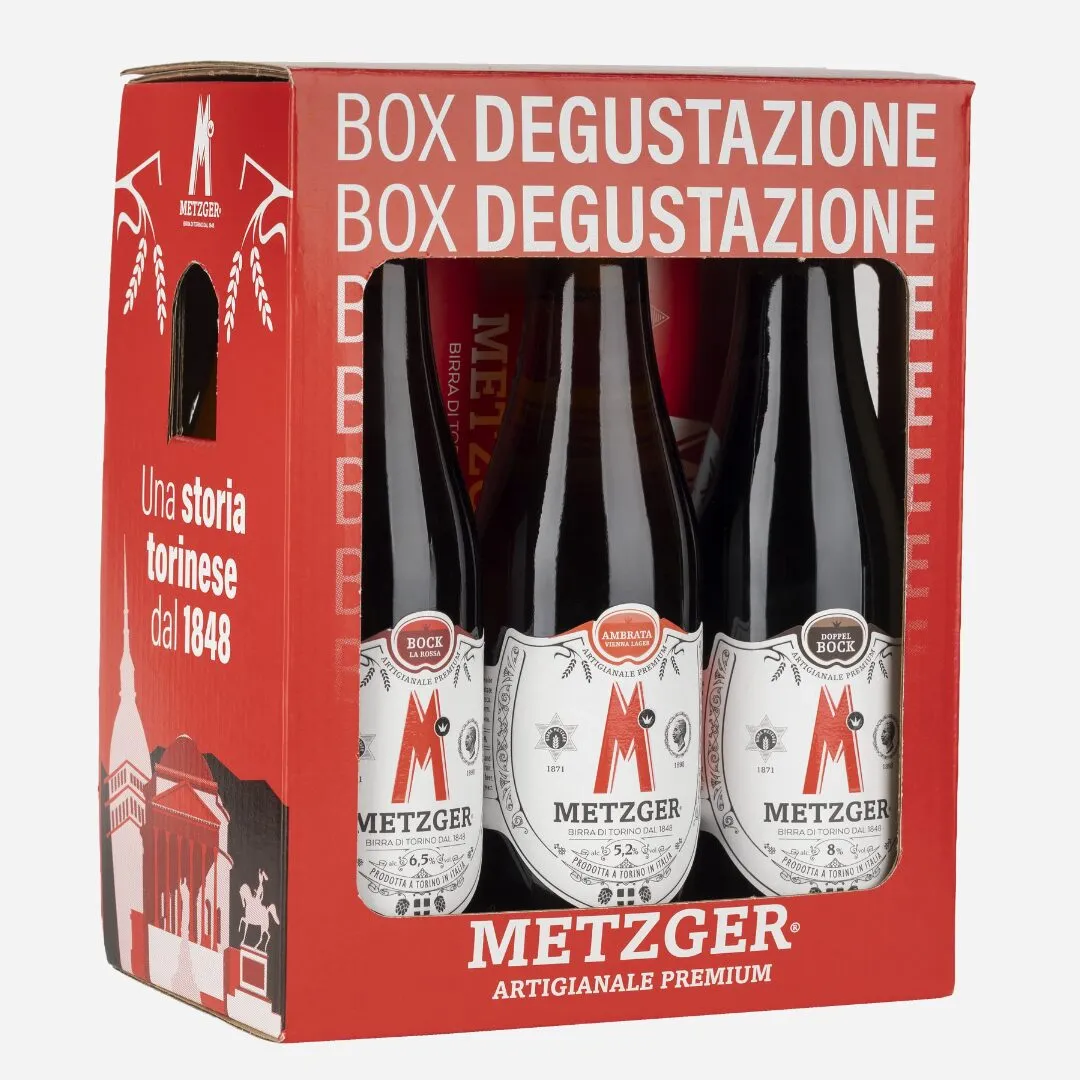
The scene is almost always the same. You’ve created an exceptional beer, the packaging is perfect, the brew went well. You take a photo of the bottle. Maybe a beautiful one, with the right light, on a rustic wooden background. You post it. You get a few likes, perhaps a comment from your oldest friend. And then? Silence.
The next day, the problem comes back. Another photo? A video of the beer being poured? After a week, “bottle syndrome” has taken over: your social feed is a graveyard of product photos, all the same, that say nothing and, above all, don’t sell.
If this sounds familiar, you’re not alone. It’s the most common problem we come across when we start working with businesses in the craft world. The truth is that social media for breweries isn’t a shop window for bottles. It’s a stage, a town square, a private club. It’s the direct bridge between your passion project and the wallets (and palates) of your customers, whether they’re end consumers or bar and pub owners.
At Digital Runner, digital strategy is what we live and breathe. Our job is to turn your passion into an engaging story that generates revenue. And today we’ll show you how.
Why social media for breweries is an ecosystem of its own
The beverage sector, and craft beer in particular, is unique. You don’t just sell a product; you sell an experience, an identity, a piece of your local area. A customer doesn’t choose your IPA just because it’s an IPA, but because they feel part of your community.
Social media for breweries has to do exactly that: build the community.
Unlike other sectors, here competition isn’t just about price but about affection. Your strategy can’t be the same as a fashion brand’s or a software company’s. It has to be authentic, visceral and, above all, it has to speak two different languages at the same time:
- B2C (business-to-consumer): To the fan who’ll drink your beer at the weekend, who’ll come and see you in the taproom, who’ll buy your merchandise.
- B2B (business-to-business): To the publican, the distributor, the restaurateur who has to decide whether to put your beer on tap instead of someone else’s.
Managing this duality is the biggest challenge. Many breweries focus only on B2C, forgetting that a well-kept social profile is the first business card for a potential trade partner. Our experience tells us that a successful social media strategy for breweries balances both.
The fatal mistake: confusing social media with a product catalogue
Let’s go back to “bottle syndrome”. Why is posting only product photos a mistake that costs you customers?
- It’s boring: The Instagram and Facebook algorithms reward interaction. A static photo, seen over and over, doesn’t prompt comments, doesn’t invite sharing, doesn’t start a conversation. Your post sinks to the bottom of the feed.
- It doesn’t create value: The customer already knows you sell beer. What they don’t know is why they should choose yours. They don’t know who you are, how you work or what your values are.
- It doesn’t set you apart: If every brewery posts only bottles, how can a user tell you apart? You look like just another label on the shelf.
Social media for breweries isn’t there to say “buy”; it’s there to make people say “I want to get to know you”. When a user “knows you” (your story, your method, your face), buying becomes the natural consequence of a relationship.
The 4 pillars of our social media strategy for breweries
When we design communication for a brewery, we never start from the posts. We start from the narrative pillars. Everything you post should fit into one of these strategic categories.
Pillar 1: Storytelling (behind the scenes)
Your greatest asset isn’t the beer but the story behind it. People are hungry for processes, faces and authenticity.
- What to post:
- Meet the brewer: Introduce the person who makes the magic happen. A photo, a short video interview. Why did they choose this trade? What’s their favourite beer from your brewery?
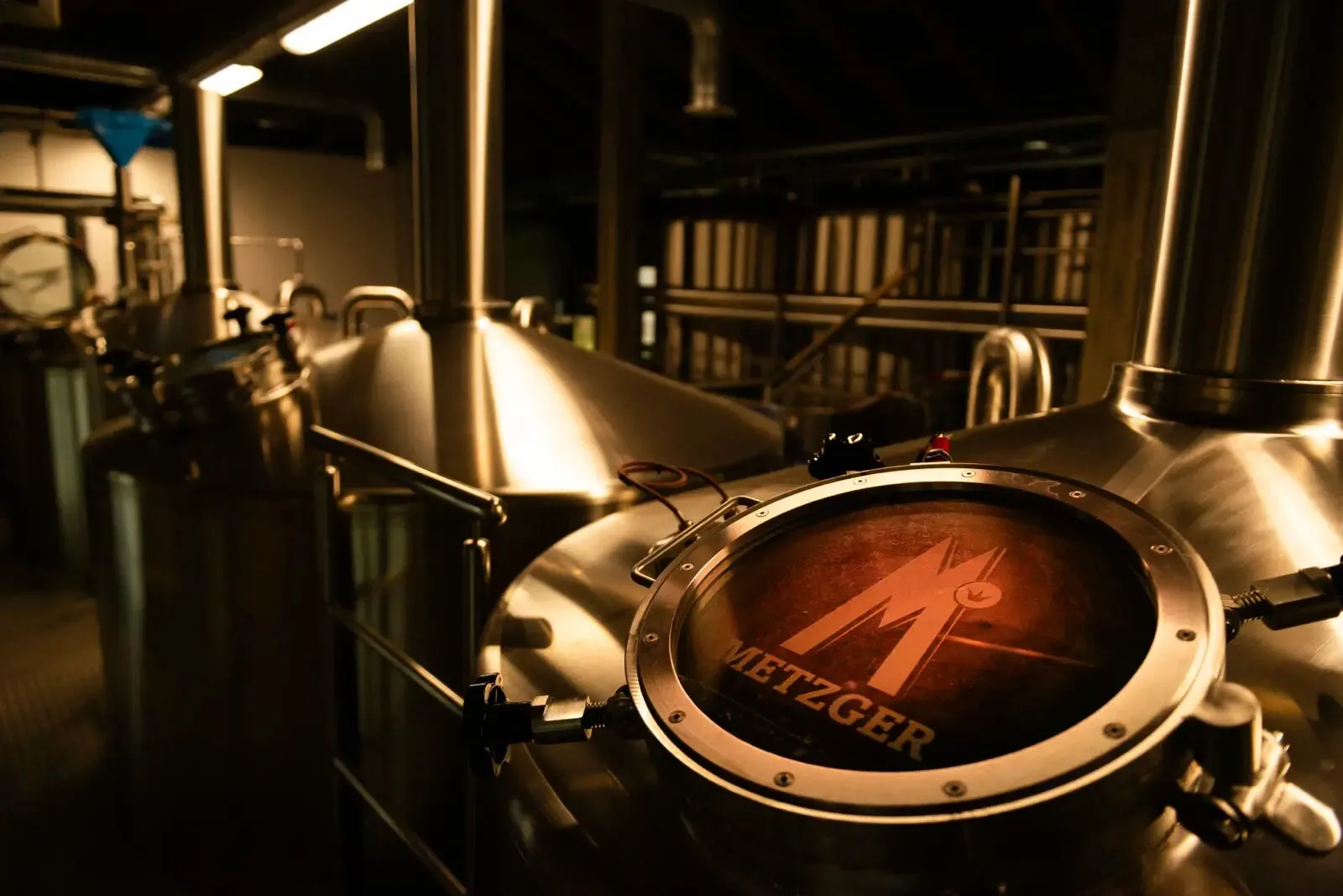
- The process: Not a technical lecture. Show the steam rising from the vessels, the colour of the wort, the sacks of a special malt you’ve just received. Use Reels to show the frenzy of a bottling day.
- The honest “fail”: Had to pour a batch away? Tell people. Honesty creates an incredible bond. Show that you’re a craftsman, not a soulless factory. Strategic social media management for breweries includes the imperfections too.
Pillar 2: Education (the digital sommelier)
Position yourself as the expert. This is one of the main goals of social media for breweries: don’t assume your followers know everything. Guide them, educate them, make them more knowledgeable consumers.
- What to post:
- Food pairing: This is a must. But don’t stop at the usual “perfect with pizza”. Be specific. “Our Stout and that blue cheese? A dream. Here’s why…”.
- Explaining styles: What’s a Gose? Why is this Saison different? Use simple, graphic carousels that explain the differences in taste, IBU and colour.
- How to taste: Teach them to recognise aromas, look at the colour, understand the head. Make your followers feel like experts.
Pillar 3: Community (the fan club)
Your social channels should be a meeting place. Your goal isn’t likes but comments and shares.
- What to post:
- User-generated content (UGC): Repost (always tagging!) your customers’ best photos. It’s free advertising and makes people feel part of something.
- Polls and questions: “Do you prefer new label A or B?” “Which beer from the past should we brew again?” Involve your community in your decisions.
- Taproom events: If you have a taproom, social media is your megaphone. Show the atmosphere, who’s there, what’s on the menu. Social media for breweries with a taproom should make people want to be there.
Pillar 4: B2B (the distribution channel)
This is the pillar 90% of breweries ignore. You need to talk to your trade partners too.
- What to post:
- New partners: “We’re thrilled to announce that our Pils is now available at [Pub/Distributor name]”. This pleases the B2B customer (you’re giving them visibility) and tells B2C customers where to find you.
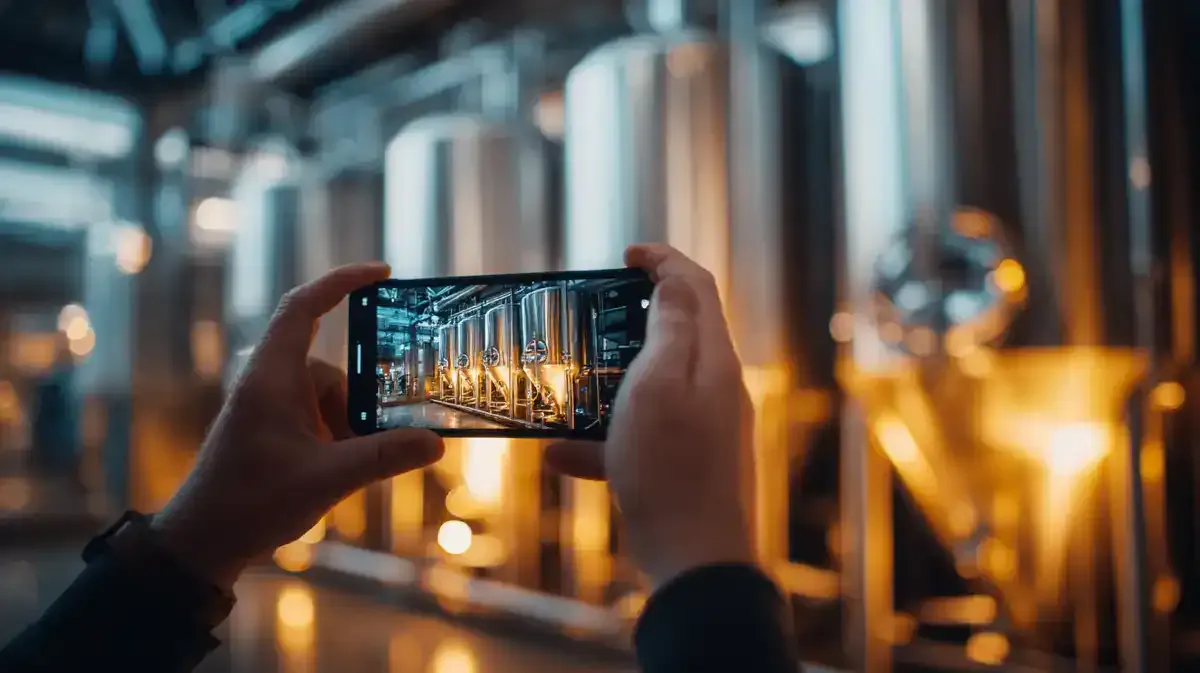
- Reliability and production: Show that you’re well organised. A photo of the tidy warehouse, the new fermenter, the labelling machine in action. Communicate that you’re a reliable partner, not a hobbyist.
- Awards and recognition: Won an award? Don’t be shy. It’s essential social proof for both B2C and B2B.
The right platforms: not just Instagram
An effective social media strategy for breweries isn’t limited to one channel. Each platform has a precise purpose in your communication ecosystem.
1. Instagram: the visual stage
It’s the undisputed king for beverage brands and the beating heart of most social media strategies for breweries.
- Feed: High-quality, “emotional” photos. Show the beauty of the product and the process.
- Reels: Essential for discovery (reaching new users). Use them for behind-the-scenes content and for fast, dynamic edits of the production process or events.
- Stories: Your logbook. This is where you show your authenticity. Polls, questions, “good morning” from the brewhouse, tasting the beer that’s just been kegged. You don’t need perfection, you need consistency.
2. Facebook: the hub for community and B2B
Many people have written it off, but for breweries it’s vital.
- Community: It’s perfect for local groups and for managing Events. If you’re organising an evening in the taproom, a Facebook event is still the best tool for tracking attendance.
- B2B: Many publicans and distributors use Facebook (often more than Instagram) for work. Being present, answering messages and having a well-kept page is a sign of professionalism. It’s a key part of business-oriented social media for breweries.
3. LinkedIn: the hidden opportunity
Yes, LinkedIn. “But who goes on LinkedIn for beer?” Your distributors. Buyers at large retail chains. Trade journalists. A well-kept LinkedIn company page, where you announce strategic partnerships, company growth or attendance at B2B trade fairs, positions you as a serious, well-organised business, not just a group of “lads who make beer”. It’s the next level of social media for breweries.
Beyond likes: how we measure success
As digital marketing professionals, the first thing we do is define the goals (KPIs). Likes don’t interest us much. What we measure for our brewery clients is:
- Taproom footfall: How many people who saw a post or a local promotion then came in for a drink? (Tracked with dedicated promotions.)
- B2B enquiries: How many messages do you receive from potential stockists?
- Engagement rate: Not how many likes, but how many comments, saves and shares. A post with 100 saves (users “saving” the pairing you recommended) is worth more than a post with 500 passive likes.
A social media strategy for breweries has to deliver an ROI (return on investment). If it doesn’t, you’re just posting nice photos.
Why social media for breweries can’t be improvised
We’ll be completely honest: managing social media for breweries this way takes time. A lot of time. It takes a strategy, an editorial calendar, the ability to shoot and edit video, to write engaging copy, to reply to comments, to analyse data and to manage paid promotion (ads).
Your job is to make extraordinary beers. Our job is to make sure the world knows about them.
Many brewery owners think they can manage social media “in their spare time”. The result is what we described at the start: sporadic posts, photos of bottles, frustration and, worse still, the feeling that “social media doesn’t work”.
It’s not that social media for breweries doesn’t work. It’s that improvised management doesn’t work.
Your beer is the result of a meticulous process, carefully chosen ingredients and a great deal of skill. Why should your digital communication deserve any less?
Ready to really tell your beer’s story?
If you’ve read this far, you’ve understood that posting a photo isn’t enough. You’ve understood that behind every successful post there’s a strategy, and behind that strategy there are hours of work, analysis and creativity.
At Digital Runner we don’t just manage “social profiles”. We build communication ecosystems that turn breweries into loved, recognised brands. We speak the language of brewers, but also the language of algorithms.
Tired of posting only bottles? Want to stop “making posts” and start “building a strategy”?
Let’s talk. We’ll look at your current presence together and define a plan of attack. Our approach to social media for breweries is tailor-made: we cut the strategy to fit your identity, your products and your goals, both B2B and B2C.
Book a call and we’ll analyse your communication together. It’s time to give your beer the stage it deserves.
 FREE GUIDE · 24-PAGE PDFBrand kit for ad campaigns: a practical guide to consistent visuals and creative that convertsA method for writing the brand kit your campaigns need: rules, formats, templates and checks so that ads, landing pages and materials come out consistent, recognisable and built to convert.Read it or download the PDF