

































Influencer marketing on TikTok: how to build advertising into your brand
Alessandro Papa7 min read
IN SHORT
Find out how to get the most out of collaborations with influencers to promote your brand on TikTok and increase ROI.
Topic of our service Social Media & Content
Influencer marketing is among the most effective strategies for promoting your brand on TikTok.
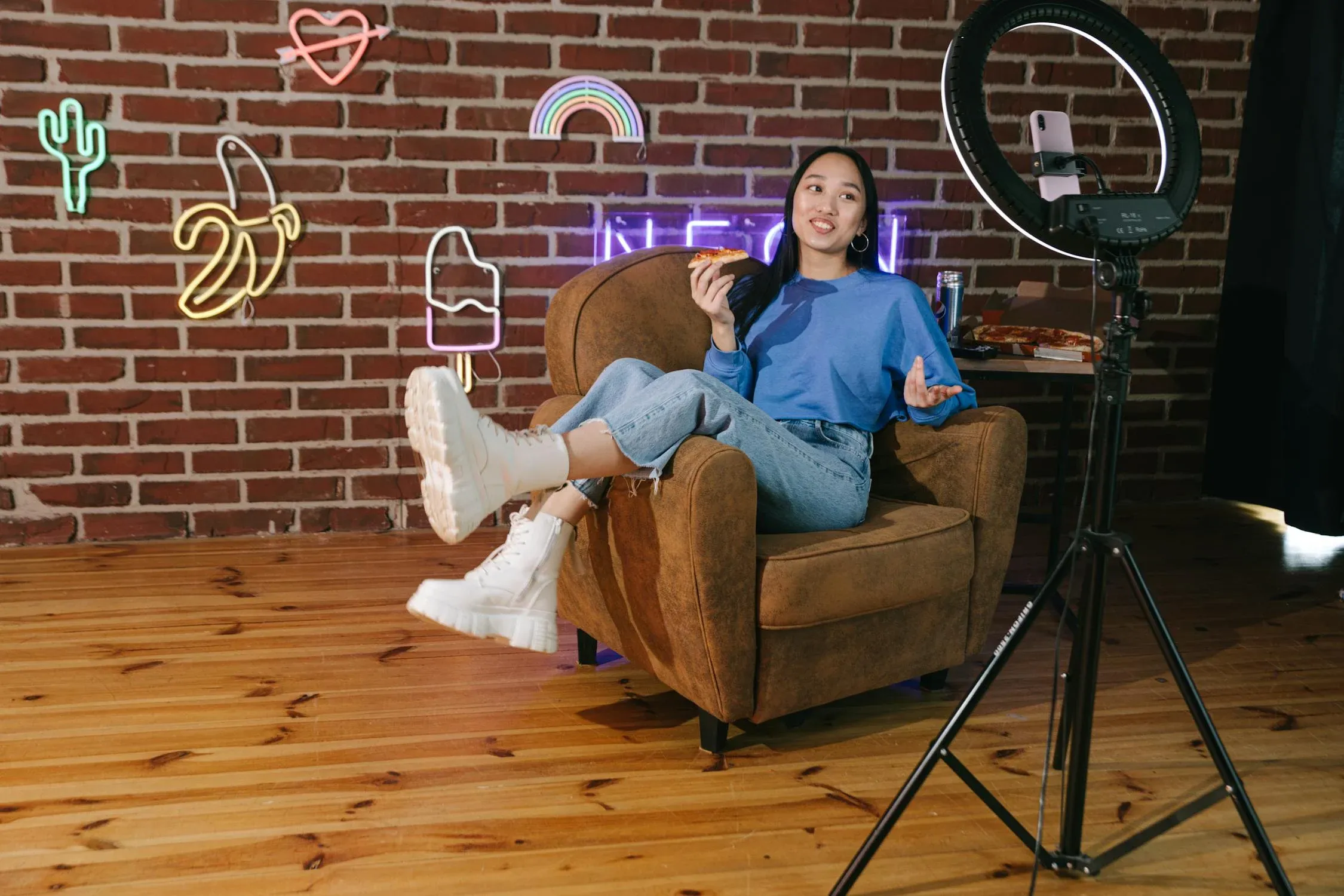
Influencer marketing, meaning collaboration with influential people who have a large follower base, is a unique opportunity for brands to reach their target audience authentically and directly. On TikTok, this strategy becomes even more powerful thanks to the platform’s creative, engaging format, which lends itself perfectly to innovative and viral campaigns.
In this article we’ll explore how to integrate influencer marketing effectively into your TikTok advertising strategies, with practical tips and best practice to maximise the impact of your campaign.
1. Why is influencer marketing on TikTok so powerful?
Influencer marketing on TikTok has the potential to deliver extraordinary results for several reasons. First of all, TikTok is a platform built on short-form video, which encourages users to watch and share videos quickly and continuously. TikTok influencers can grab the audience’s attention in a few seconds, creating eye-catching, viral content that drives interaction.
What’s more, TikTok influencers tend to be very authentic and credible in the eyes of their followers. The spontaneous, less “constructed” nature of the content they publish makes influencer marketing on TikTok less intrusive than more traditional forms of advertising. TikTok users are more inclined to interact with content they perceive as genuine than with a traditional ad.
The advantages of influencer marketing on TikTok
- Credibility: users trust influencers and see their recommendations as authentic rather than forced.
- Access to a niche audience: every influencer has their own group of followers with specific interests, letting brands reach very precise targets.
- Viral potential: content created by influencers can go viral organically, amplifying the campaign’s visibility.
- High engagement: TikTok’s short, engaging videos create high levels of interaction, prompting users to comment, like and share.
2. How to choose the right influencer for your brand
The first step in integrating influencer marketing on TikTok effectively is choosing the right influencer for your brand. Not every influencer, however popular, is right for every type of campaign. Choosing the right one can make or break your marketing strategy.
Criteria for choosing the right influencer
- Content relevance: it’s essential that the influencer you choose shares content in line with your brand. For example, if you’re a fashion company, working with an influencer who creates fashion content will give you greater visibility with an audience already interested in that sector.
- Follower engagement: rather than focusing only on the number of followers, assess the interaction the influencer manages to generate. A high number of comments, likes and shares is a sign of an active, engaged audience.
- Authenticity: TikTok users recognise and reward authenticity. Choose influencers who are authentic and genuine, able to create content that doesn’t seem forced or overly promotional.
- Audience demographics: make sure the influencer’s audience matches your target demographic. Look at the age, gender, interests and geographical location of the influencer’s followers to see whether they match your ideal audience.
Micro-influencers and macro-influencers
- Micro-influencers: they have a smaller number of followers (usually between 10,000 and 100,000) but a higher engagement rate. They’re often closer to their followers and are perceived as more authentic.
- Macro-influencers: they have millions of followers and offer greater visibility. They’re ideal for large-scale brand awareness campaigns, but may have a lower engagement rate than micro-influencers.
3. Types of influencer collaboration on TikTok
There are several ways brands and influencers can collaborate on TikTok, each with its own advantages. Let’s look at the main types of influencer marketing campaign you can use on TikTok:
a. Sponsored content
This is the most common form of collaboration. The brand pays the influencer to create sponsored content promoting a product or service. Influencers incorporate the product into their videos naturally, so that it seems part of their regular content.
How to optimise sponsored content
- Give the influencer’s creativity room: let the influencer create content their own way. Their authenticity and unique style are what draw the audience, so avoid imposing guidelines that are too rigid.
- Integrate the product organically: content that seems too much like advertising risks being ignored. Make sure the product is integrated naturally into the content.
b. Sponsored hashtag challenges
Hashtag Challenges are a very popular advertising format on TikTok, and influencers can play a key role in launching them. A sponsored Hashtag Challenge invites users to take part in a creative challenge using a specific hashtag, often linked to a product or a brand campaign.
Influencers can be brought in to kick off the challenge, creating the first video and encouraging their followers to take part. This strategy is extremely effective for generating user-generated content (UGC) and increasing brand visibility.
c. Product reviews and unboxing
Product reviews and unboxing videos are very popular on TikTok. In this type of collaboration, the influencer shows the product in action, describing its features and benefits. Followers tend to trust influencers’ opinions, which can lead to an increase in conversions and sales.
How to optimise product reviews
- Choose influencers who use similar products: influencers who already use similar products will have more credibility when talking about your brand.
- Avoid rigid scripts: the influencer should feel free to review the product in their own words and naturally.
d. Brand takeovers
Another interesting strategy is the brand takeover, in which an influencer temporarily takes control of a brand’s TikTok account and publishes content in the first person. This type of collaboration gives the brand a more human, authentic voice, drawing the attention of the influencer’s followers and generating engagement.
4. Measuring the success of an influencer marketing campaign on TikTok
As with any marketing strategy, it’s essential to measure the effectiveness of your TikTok influencer marketing campaign to understand whether you’re reaching your goals and getting the maximum return on investment (ROI).
Key metrics to monitor
- Engagement rate: measures the level of interaction the influencer’s content generates. It includes likes, comments, shares and views.
- Reach and impressions: these figures tell you how many people saw the sponsored content. The wider the audience reached, the greater the chances of making your brand known.
- Follower growth: if the campaign has been successful, you should see an increase in the number of followers on your TikTok profile.
- Conversions and sales: if the campaign’s goal is to sell products or acquire new customers, keep track of the conversions generated by influencer marketing. Use trackable links or discount codes to monitor traffic coming from influencers’ content.
5. Best practice for integrating influencer marketing into your brand
To get the most out of your influencer marketing on TikTok, there are some best practices you should follow:
a. Build long-term relationships with influencers
Rather than working with influencers on a one-off basis, try to build long-term relationships. Influencers who regularly work with your brand will have a greater impact on the audience, as followers will start to associate your brand with them.
b. Be transparent and authentic
Authenticity is the key to success on TikTok. Make sure influencers clearly declare when content is sponsored, respecting the transparency rules and building a relationship of trust with their followers.
c. Adapt the message to the TikTok audience
TikTok is a different platform from others such as Instagram or YouTube. The tone needs to be light, fun and creative. Adapt your brand message to TikTok’s language, avoiding coming across as too formal or rigid.
d. Test and optimise
There’s no magic formula for success. Test different influencer marketing strategies and monitor the results closely. Experiment with different types of content and influencers to understand what works best for your brand.
Influencer marketing on TikTok is a powerful tool for building advertising into your brand and reaching a large, engaged audience. With the right approach, you can create authentic, creative campaigns that resonate with your target audience. If you’d like to find out how to bring influencer marketing into your TikTok advertising strategy, get in touch for more information.
 FREE GUIDE · 19-PAGE PDFMeta Ads for SMEs: budget, structure and measurement for the first 90 daysA plan for starting or restarting on Facebook and Instagram: how much to invest, how to set up the account, what to track and what to look at week by week, with a budget calculator to fill in.Read it or download the PDF