




























Omnichannel marketing: offer a seamless customer experience on every channel
Milica Subotic7 min read
IN SHORT
Omnichannel marketing lets you create a smooth, consistent customer experience across all channels, overcoming the fragmentation typical of multichannel. This approach increases sales and loyalty and allows a deeper understanding of the customer thanks to integrated data. It's a strategy that suits small businesses too, which can start with the most relevant channels. Digital Runner supports companies at every stage, offering tailored, effective solutions.
Topic of our service Analytics & Data
Omnichannel marketing: don’t sell, connect
Have you ever felt as if your company speaks lots of different languages, one for each communication channel? A consistent message by email, an unbeatable offer on social media, impeccable customer service on the phone, but… all disconnected from one another. The result? A fragmented experience for your customer, who feels more confused than looked after.
If so, it’s time to drop the old “silo” mentality and embrace a broader, more human view of marketing: omnichannel marketing.
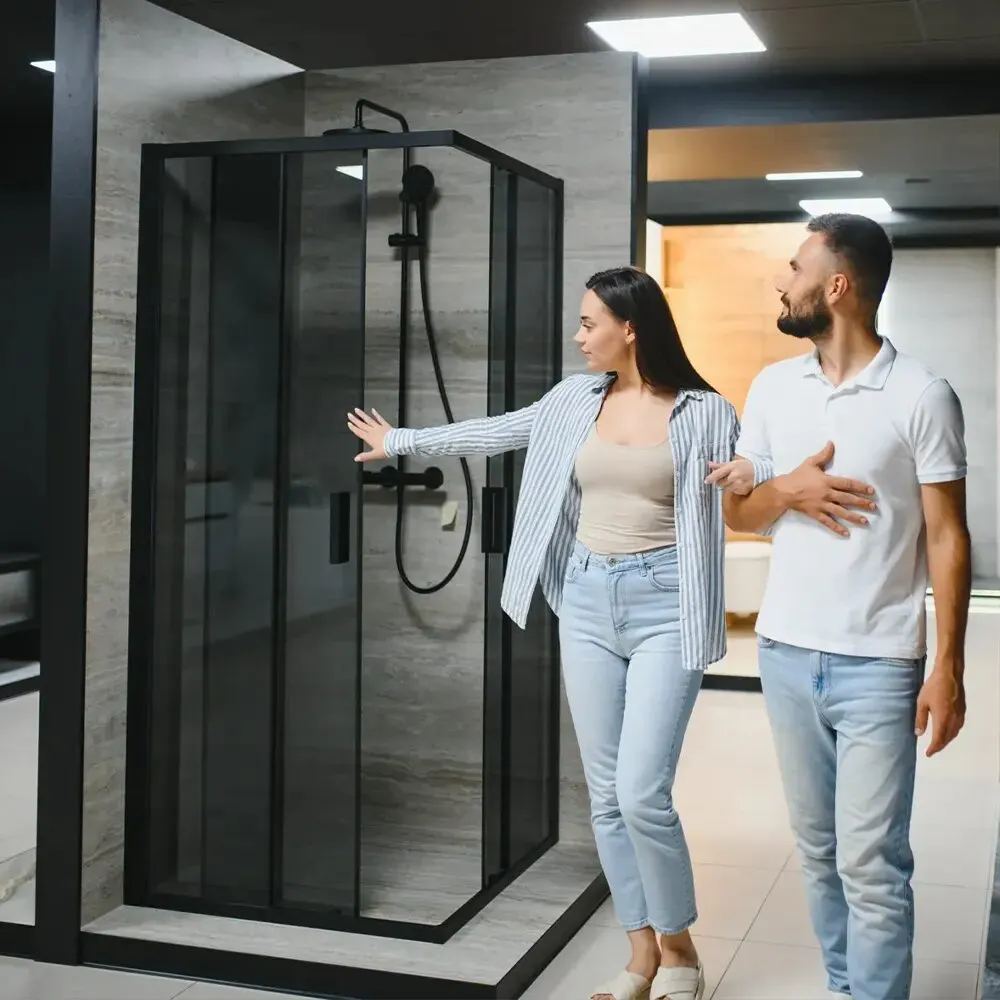
Forget the textbook definition for a moment. Think of the last time you had a really smooth, enjoyable shopping experience. You probably started your search online, perhaps on your smartphone during your lunch break. Then you compared prices on different sites, read reviews, maybe watched an explainer video on YouTube. Finally, you decided to go to the shop to see the product in person before buying it. Or you added the item to your online basket and bought it from the comfort of your sofa.
That’s the essence of omnichannel marketing: being present wherever the customer is, consistently and without interruptions, accompanying them on a customer journey without hiccups. It’s not simply about being on several channels (a multichannel customer experience), but about making them talk to each other, creating a single, flowing conversation with your customer.
Why omnichannel is the key to your success (and your customers will thank you)
We live in an age in which consumers move smoothly between online and offline, between social media and email, between apps and physical shops. Ignoring this reality means missing important opportunities and, worse still, frustrating your potential customers.
A well-implemented omnichannel marketing strategy brings a series of concrete benefits:
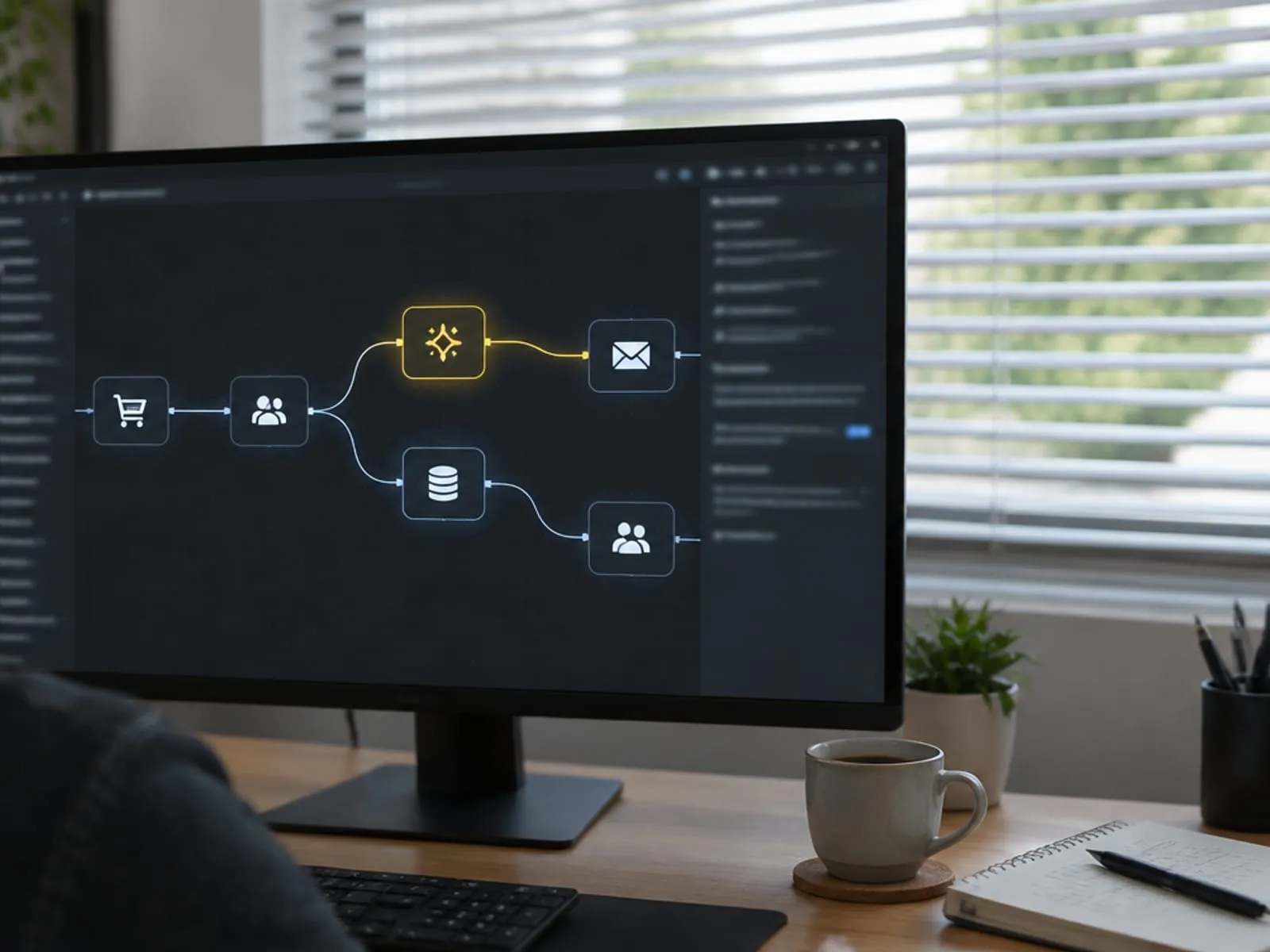
- A better customer experience: a smooth, personalised experience at every touchpoint increases customer satisfaction and loyalty. Imagine a customer who adds a product to their online basket but doesn’t complete the purchase. An omnichannel marketing system could send them an email with a reminder and perhaps a small discount, or show them a targeted ad on social media.
- More sales and a higher conversion rate: when the buying journey is simple and free of obstacles, customers are more inclined to complete the desired action, whether it’s a purchase, a request for information or filling in a contact form.
- More complete, in-depth data collection: integrating marketing channels gives you a 360-degree view of the customer, tracking their behaviour on every platform. This translates into a better understanding of their needs and preferences, letting you personalise communications and offers even further.
- Brand consistency: a consistent message across all channels strengthens your brand identity and creates a more solid, reliable image in the consumer’s mind.
- Operational efficiency: integrating marketing channels can lead to greater operational efficiency, automating processes and making the most of resources.
From theory to practice: how to build an effective omnichannel marketing strategy
OK, the benefits are clear. But how does all this translate into concrete action? Here are some key steps for implementing a successful omnichannel marketing strategy:
- Map the customer journey: the first step is to understand in depth the path your customers take, from initial awareness to purchase and beyond. Identify all the touchpoints with your brand and analyse how they interact with each other.
- Integrate the channels: this is the heart of omnichannel. Make sure your systems and platforms (CRM, email marketing, social media, website, app, etc.) are integrated with one another. This lets you share customer data and information in real time, ensuring a unified customer experience.
- Personalise the experience: use the data collected to personalise communications and offers according to each individual customer’s needs and preferences. A follow-up email with products similar to those viewed, a special birthday offer, a real-time chat message answering a specific question: these are just a few examples of personalisation.
- Ensure consistency of message and branding: whether the customer interacts with you by email, on social media or in the shop, the message and branding must always be consistent. This helps strengthen your brand identity and create a smooth, recognisable user experience.
- Listen and adapt: omnichannel marketing isn’t a one-off project. It’s an ongoing process that requires actively listening to customer feedback and the ability to adapt to their changing needs and to new market trends.
- Make the most of technology: there are many tools and platforms that can help you implement and manage your omnichannel strategy. From customer data platforms (CDPs) to marketing automation software, technology is an essential ally.
Inspiring examples of omnichannel marketing
To better understand the potential of omnichannel marketing, here are some examples of companies that do it really well:
- Starbucks: the Starbucks app lets customers order and pay in advance, collect loyalty points and receive personalised offers. The experience is seamless both online and in store.
- Sephora: customers can try products virtually through the app, receive personalised advice online and then go to the shop for the final purchase. Data collected online is used to personalise the in-store experience and vice versa.
- Amazon: Amazon’s shopping experience is a striking example of omnichannel. Customers can start a search on one device and finish it on another, receiving personalised recommendations based on their browsing and purchase history.
Digital Runner: your partner for successful omnichannel marketing
Implementing an effective omnichannel marketing strategy can seem complex, but you don’t have to do it alone. At Digital Runner we’re experts in helping companies like yours create outstanding customer experiences on every channel.
We can support you at every stage of the process, from defining the strategy to integrating systems and analysing the results. Our approach is tailored and focused on achieving your business goals.
If you want to stop “selling” and start “connecting” with your customers, offering them an unforgettable experience that keeps them loyal over time, book a call with our team. Together, we can turn your marketing into a powerful engine for winning and keeping customers.
Don’t wait for your competitors to overtake you. The future of marketing is omnichannel, and Digital Runner is here to guide you.
FAQ: everything you need to know about omnichannel marketing
- What exactly is omnichannel marketing? Isn’t it the same as multichannel?
- No, it isn’t. Multichannel marketing means being present on different channels (website, social media, email, etc.). Omnichannel goes further: it integrates all these channels into a single, smooth and consistent customer experience. Think of an orchestra where every instrument plays in harmony, not of instruments playing the same tune separately.
- What are the main benefits of an omnichannel strategy for my company?
- There are many: an improved customer experience, more sales and a higher conversion rate, more complete data collection, greater customer loyalty, brand consistency and, potentially, greater operational efficiency. In short, happier customers and a healthier business.
- My company is small: is omnichannel right for us too?
- Absolutely. Omnichannel isn’t the preserve of large companies. A small business can also benefit from an integrated approach, offering its customers a personalised experience regardless of size. Start with the channels most relevant to your audience and gradually integrate the others.
- Which marketing channels are the most important to integrate in an omnichannel strategy?
- There’s no single answer. The most important channels depend on your industry, your target audience and your customers’ journey. However, some fundamental channels include the website, email, social media, mobile apps (if relevant), physical shops (if you have them) and customer service systems.
- How can I measure the success of my omnichannel marketing strategy?
- There are several key performance indicators (KPIs) to monitor, including customer satisfaction (CSAT), Net Promoter Score (NPS), cross-channel conversion rate, average order value, customer lifetime value and engagement on the different channels.
- What are the most common challenges in implementing an omnichannel strategy?
- Some common challenges include data and team silos, the difficulty of integrating different systems and technologies, the need for a 360-degree view of the customer and managing message consistency across all channels.
- Where should I start in implementing an omnichannel strategy?
- The first step is to understand your customers’ journey in depth. Map all the touchpoints and identify the areas where the experience could be improved by integrating channels. Start with a pilot project on a couple of channels and then expand gradually.
- How much does it cost to implement an omnichannel marketing strategy?
- The cost can vary considerably depending on the complexity of your business, the number of channels to integrate and the technologies you decide to use. However, think of omnichannel as a long-term investment that can bring a significant return in terms of customer satisfaction and business growth.