






























PPC campaigns: how to manage pay per click with AI, targeting and budget
Milica Suboticupdated on 7 min read
IN SHORT
Pay per click has entered a phase in which artificial intelligence and predictive targeting matter as much as keyword choice. Campaigns can no longer rely on static logic: they need dynamic strategies, attention to the customer journey and automation driven by clear goals. In this article we look at how targeting, optimisation and budget management are changing, and why the judgement of the person running the campaigns is still decisive.
Topic of our service Google Ads & PPC
Do you know how to build an effective PPC campaign today? If the answer is “yes” with a hint of uncertainty, or if you feel your current approach is no longer delivering the results it used to, you’re in the right place. We’re not talking about a sudden genetic mutation in marketing, but rather a gradual refinement of the tactics and tools we already know. The real question is: how will your pay per click advertising campaigns be positioned to make the most of these developments?
PPC isn’t a destination but a stage in the journey of an increasingly sophisticated advertising ecosystem. Forget the copy-and-paste strategies of years gone by. Today success is measured by the ability to read signals, anticipate behaviour and, above all, act with surgical precision.
Artificial intelligence as the engine of PPC campaigns
Artificial intelligence (AI) and machine learning are no longer futuristic concepts in pay per click advertising. In PPC they will be the daily bread of every marketer who wants a competitive edge. Google Ads and Facebook Ads, like the other pay per click platforms, have already integrated these technologies extensively for PPC campaign optimisation. But what does this mean for you?
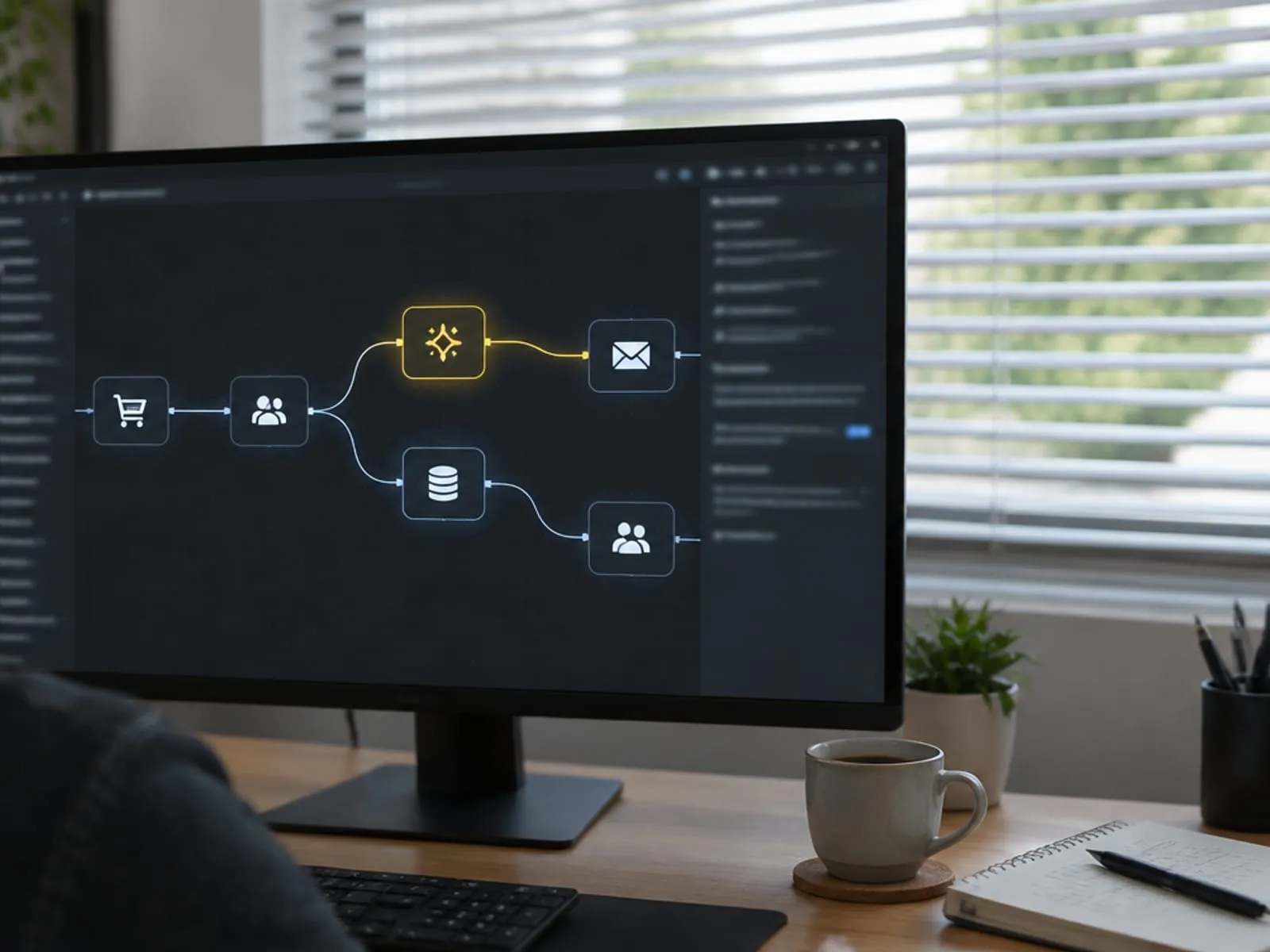
It means AI won’t just optimise bids or suggest new keywords. In PPC its influence will extend to predictive targeting, dynamic ad generation and real-time analysis of the customer journey. Imagine systems that not only identify the audience segments most likely to convert but also predict their next moves, letting you reach them with relevant messages at the right moment. This isn’t science fiction: it’s the direction PPC is heading in.
To make the most of this wave of AI, it’s essential to shift your focus from manual management to orchestrating the technology. It’s not about handing over control completely, but about raising your role to that of strategist, using AI tools to amplify your vision and experience. Anyone who ignores this trend in PPC risks being left behind.
Precise targeting: speaking to the right audience
The era of “trawl-net” targeting is over. In PPC, precision is everything. Privacy rules are becoming ever stricter, and this is pushing advertisers to be more creative and focused in their pay per click advertising. Selecting broad demographics will no longer be enough; it will be crucial to understand psychographic nuances, buying behaviour and latent intentions.
We’re talking about advanced segmentation:
- Custom audiences: In PPC, customer lists (customer match) and first-party data will become even more valuable. If you have a customer database, use it to create lookalike segments or to reach people who have already interacted with your brand.
- Refined search intent: Google Ads will keep getting better at interpreting the intent behind every query. Today it’s no longer enough to capture a generic keyword: you need to understand whether the user is in the research, consideration or decision phase. Understanding the “why” behind the search will be the key to effective targeting.
- Cross-channel behaviour: PPC forces us to look beyond a single platform. If a user interacts with your brand on Facebook Ads, then searches for a product on Google and finally visits your website, you need to be able to track and act on that multi-touch journey. Data integration will be essential for PPC campaign optimisation.
The success of your campaigns depends on your ability to connect with your audience at a deeper level, offering solutions to their problems and responding to their needs before they even express them explicitly.
Optimising PPC campaigns: beyond A/B testing
PPC campaign optimisation isn’t an occasional task but a continuous process, almost a way of working. In PPC this idea will be amplified. Forget launching a campaign and hoping for the best. The winning mindset in PPC will be one of constant experimentation and iterative learning.
As well as classic A/B tests, PPC calls for a more holistic approach:
- Advanced hypothesis testing: Don’t just test headlines, test entire messaging strategies. PPC will require you to understand which kind of storytelling resonates most with different audience segments.
- Responsible automation: Automation is powerful, but in PPC it has to be “responsible”. That means setting clear rules, monitoring performance closely and stepping in when needed. Don’t let the algorithms work completely on their own without your strategic oversight.
- Customer journey analysis: Optimisation doesn’t stop at the click. In PPC you’ll need to analyse the whole customer journey, from the first contact with the ad to conversion and beyond. Where do users get stuck? What holds them back? This holistic view is crucial to maximising the ROI of your PPC budget.
PPC will reward those who aren’t afraid to experiment, fail fast and learn even faster. Every campaign, every ad and every keyword is an opportunity to gather valuable data and refine your strategy.
PPC budget: an investment to manage strategically
Managing the PPC budget has always been a cornerstone of pay per click advertising. In PPC the challenge will be to allocate budget even more strategically, given increasing competition and the complexity of the platforms. It’s not just about how much you spend, but how you spend it.
Here are some key points for your PPC budget:
- Measuring real ROI: Don’t just track cost per click (CPC) or cost per acquisition (CPA). In PPC you’ll need to dig into the customer lifetime value (CLTV) generated by your campaigns. A higher CPA may be acceptable if the customer acquired brings significantly more value over time.
- Flexibility and adaptability: PPC will require a flexible budget. Trends can change quickly, and the ability to move budget from one campaign to another or from one platform to another (for example from Google Ads to Facebook Ads and vice versa) based on performance will be a competitive advantage.
- Diversifying your PPC budget: Don’t put all your eggs in one basket. Even though Google Ads remains a giant, in PPC it’s wise to consider spreading your budget across other emerging or niche platforms, where competition may be lower and costs more contained.
- Advanced attribution: Understanding which touchpoint (the PPC ad, a blog post, an email) contributed most to the conversion is essential. Today attribution will no longer be just “last click” but multi-touch models that give you a more accurate view of the value of each channel and, as a result, help you optimise your PPC budget.
A well-managed PPC budget isn’t an expense but a calculated investment, aimed at maximising return and ensuring sustainable growth.
The human factor: the experience that makes the difference
Despite all the technology and automation, the human factor remains irreplaceable in PPC. Algorithms are powerful, but they lack the intuition, creativity and strategic adaptability that only an expert can offer. An agency specialising in pay per click advertising can make the difference between a mediocre campaign and one that delivers outstanding results.
At Digital Runner we understand the dynamics of PPC in depth. We don’t just manage your campaigns; we work alongside you to develop a tailored strategy that takes into account your specific goals, your audience and your PPC budget. From the initial setup to ongoing PPC campaign optimisation, our team of experts stays constantly up to date with the latest Google Ads and Meta Ads developments to ensure you get the best possible return on investment. Find out how we work on Google Ads campaigns.
PPC is a complex playing field, but with the right guidance your campaigns can not only reach your audience but win its attention and loyalty. We’re ready to help you navigate this landscape and turn the challenges of PPC into opportunities for growth.
Where to start
These changes are already under way. The companies that prepare today, investing in knowledge, technology and strategic partnerships, will be the ones that dominate the pay per click advertising landscape.
If you want to maximise the potential of your PPC campaigns, outperform your competitors and attract qualified customers, the time to act is now. Don’t settle for off-the-shelf solutions. Digital Runner is here to offer you the experience and vision you need to excel in PPC.
Ready to turn your PPC campaigns into a lead generation machine? Get in touch today and find out how we can help you master PPC and reach your business goals.
 FREE GUIDE · 25-PAGE PDFGoogle Ads for B2B: the handbook for generating better leads, not just more leadsA handbook for setting up, checking and improving your Google Ads campaigns based on the commercial quality of the leads, with checklists, templates and an audit to fill in.Read it or download the PDF