





































Social media marketing strategies: mastering information overload
Alessandro PapaUpdated on 6 min read

IN SHORT
Avoiding excessive posting and focusing on quality content is crucial for keeping engagement up. Stories offer a more spontaneous, immediate alternative in a saturated digital world, allowing authentic interaction with your audience without adding to information overload.
Topic of our service Social Media & Content · industry Running and events
What is information overload?
It’s obvious by now: we’re all living in a state of constant information overload, a term used to describe a situation in which an individual or system receives more information than it can effectively handle or process at a given moment. It can happen in both personal and professional contexts, and it has become particularly relevant in the digital age, where enormous amounts of data and information are just a click away.
Just look at the numbers. According to the DataReportal Digital 2026 Italy report, in October 2025 Italy had 41.2 million active social media profiles, 69.7% of the population. Every day those profiles scroll through content from friends, companies, creators and, more and more often, from accounts they don’t follow that the algorithm suggests. In a feed that full, one more post goes unnoticed: a different post gets noticed.
Uniqueness
We all remember Seth Godin’s “purple cow”, which stands for the idea of being exceptional, unique and remarkable in a sea of sameness. In a world saturated with information and uniform content, being a “Purple Cow” means grabbing attention effectively and being memorable to your audience.
In a digital world where users are, as we’ve said, constantly bombarded with an endless stream of content, can being a “Purple Cow” on social media really help you rise above the noise?
By showing what makes your company or brand unique, is it still possible to capture the audience’s attention and stand out from the competition?
Today more than ever, information overload is a real problem, including a social one. Users are swamped by a continuous flow of posts, many of them completely irrelevant and repetitive. To combat information overload, it’s crucial to publish high-quality content that adds value for your audience.
Content quality (meaning how the content itself is perceived), posting frequency and timing all influence how the audience perceives and interacts with content on social media. A well-planned publishing strategy can help avoid information overload and make sure content reaches the audience at the right moment, increasing the chances of engagement and sharing.
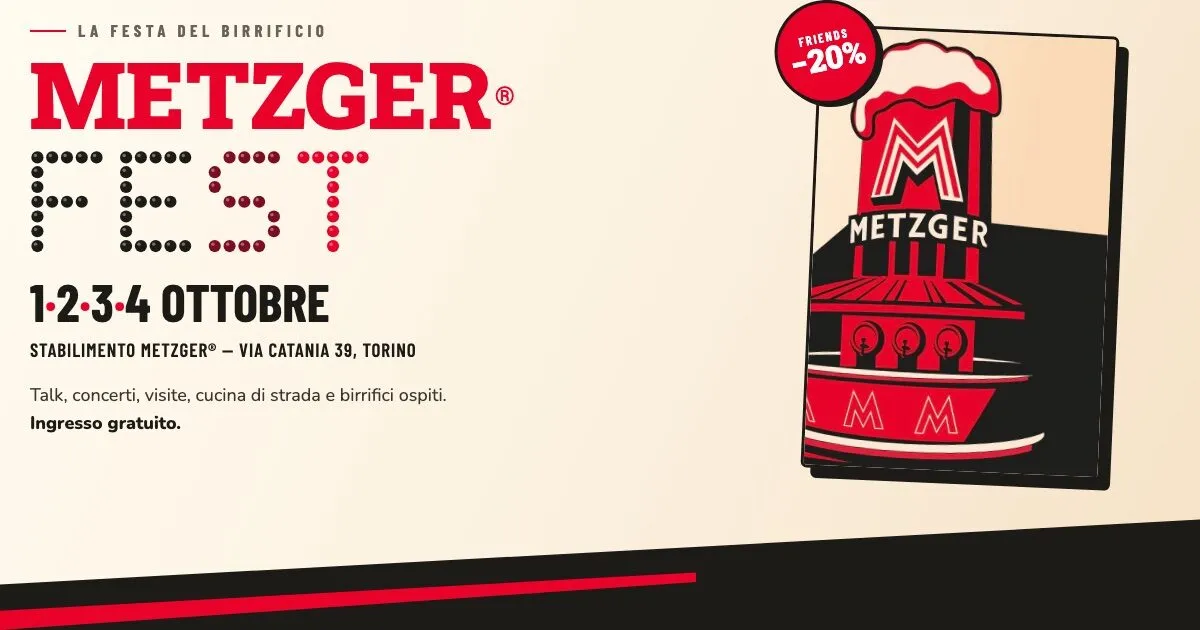
What about live events?
I see lots of profiles and pages that, during events (and in the days just before them), literally go wild, publishing dozens of pieces of content (mainly posts). This leads to a drastic fall in their audience’s engagement rate: Facebook and co. already heavily restrict the organic reach of content to followers.
Excessive real-time posting
Low engagement – Posting too much in a short space of time can be interpreted, by the audience and by the algorithms themselves, as spam, leading people to ignore the content or even unfollow the page or profile. Followers may also find it hard to keep up with such a high frequency of posts. This can reduce the chances of meaningful interaction, as followers may simply scroll past the posts without paying attention. It’s important to keep a balance, providing real-time updates that add value and catch the eye, rather than flooding followers’ feeds with too many posts.
As mentioned a few lines above, quality is always preferable to quantity. Publishing just for the sake of it can lead to a loss of followers if the content isn’t relevant or of high quality.
Quality over quantity – A high posting frequency can compromise content quality. It’s essential that every post is well thought out, relevant and well presented, rather than rushed out just to maintain a real-time presence.
The right time to post: posting during peak hours, when your audience is most active, can increase visibility and engagement. For example, many users go on social media during their lunch break or in the late afternoon. Knowing and using these moments (we have plenty of tools for analysing this information) can make a big difference to the level of interaction posts receive. Those times, though, should come from your own profile’s data rather than from a generic ranking: we put them in the editorial plan together with how often to post, so the frequency is set by the calendar and not by the urge to be everywhere
Relevant content: the content you share must be relevant and of interest to your audience. Providing useful information, entertainment or unique insights can encourage more interaction and sharing.
Added value: high-quality content offers your audience added value, providing useful information, entertainment or a unique perspective. This can increase engagement and encourage sharing.
Professionalism: even content made with a smartphone can look professional if it’s well crafted. Good lighting, editing and storytelling practices can greatly improve content quality.
The right platforms: not all social platforms are created equal when it comes to sharing visual content. Platforms such as YouTube and Vimeo are better suited to high-quality video, while Instagram and TikTok can be more forgiving of spontaneous, authentic content. Choosing the right platform for the type of content and the target audience can increase the content’s chances of success.
What about Stories?
Posts and Stories are two different ways of interacting with your audience. While posts are a more traditional, permanent way of sharing content, stories are designed to be more ephemeral and immediate. Here’s how what we said earlier about posts may not apply to stories, and an explanation of the key differences:
- Duration – Posts stay visible on the profile indefinitely unless they’re deleted, whereas stories disappear after 24 hours. Their transient nature makes stories less likely to add to information overload, as users know stories are temporary and often more personal or immediate.
- Informal engagement – Stories encourage a more informal, spontaneous kind of engagement. Their ephemeral nature can encourage users to interact more freely, without the pressure of permanence associated with posts. It can also let companies show a more authentic, less polished side, which can be refreshing in a sea of highly produced content.
- Posting frequency – Posting frequency may be perceived differently for stories than for posts. Users may expect or tolerate a higher posting frequency in stories, given their temporary nature. And because stories don’t take up space in the main feed, they’re less likely to contribute to information overload.
- Less polished content – While posts may require more care in their creation and presentation, stories can be more spontaneous and less polished. This allows for greater creativity and authenticity, which audiences can find appealing. The more casual nature of stories can also allow for a variety of content that might not fit into the more formal posts in the main feed.
- Purple Cow – Even though the “Purple Cow” is about creating exceptional, memorable content, the way you express that uniqueness can vary between posts and stories. Stories allow more freedom of expression and the chance to experiment with more creative or unusual content, while still aiming to stand out in the audience’s mind.
In short, stories offer a more flexible, immediate platform for interacting with your audience. While the strategy for posts may require more thought about information overload and the uniqueness of the content, stories allow for more spontaneity and more direct interaction with users, while still aiming to provide value and be memorable in a crowded digital world.
Conclusion
Although real-time posting and sharing images from events can create a buzz, it’s essential to keep a balance. Making sure content is high quality, published at the right times and in the right amounts, can lead to a more effective strategy during events.
Want to explore this topic further?
Let’s talk 🙂
 FREE GUIDE · 24-PAGE PDFBrand kit for ad campaigns: a practical guide to consistent visuals and creative that convertsA method for writing the brand kit your campaigns need: rules, formats, templates and checks so that ads, landing pages and materials come out consistent, recognisable and built to convert.Read it or download the PDF