





























Sports digital marketing: building community and B2B value in running
Milica Subotic12 min read

IN SHORT
Sports digital marketing is essential to turning a running event into a success. The article explains how this strategy isn't just about selling race bibs (B2C), but also about creating measurable value for sponsors (B2B). It explores the key levers, such as content marketing, community management on social media (including Strava) and targeted ad campaigns. The aim is to keep the passion alive 365 days a year, well beyond race day. Data analysis is what ties the whole strategy together, turning runners' emotions into a profitable business for organisers.
Topic of our service Social Media & Content · industry Running and events
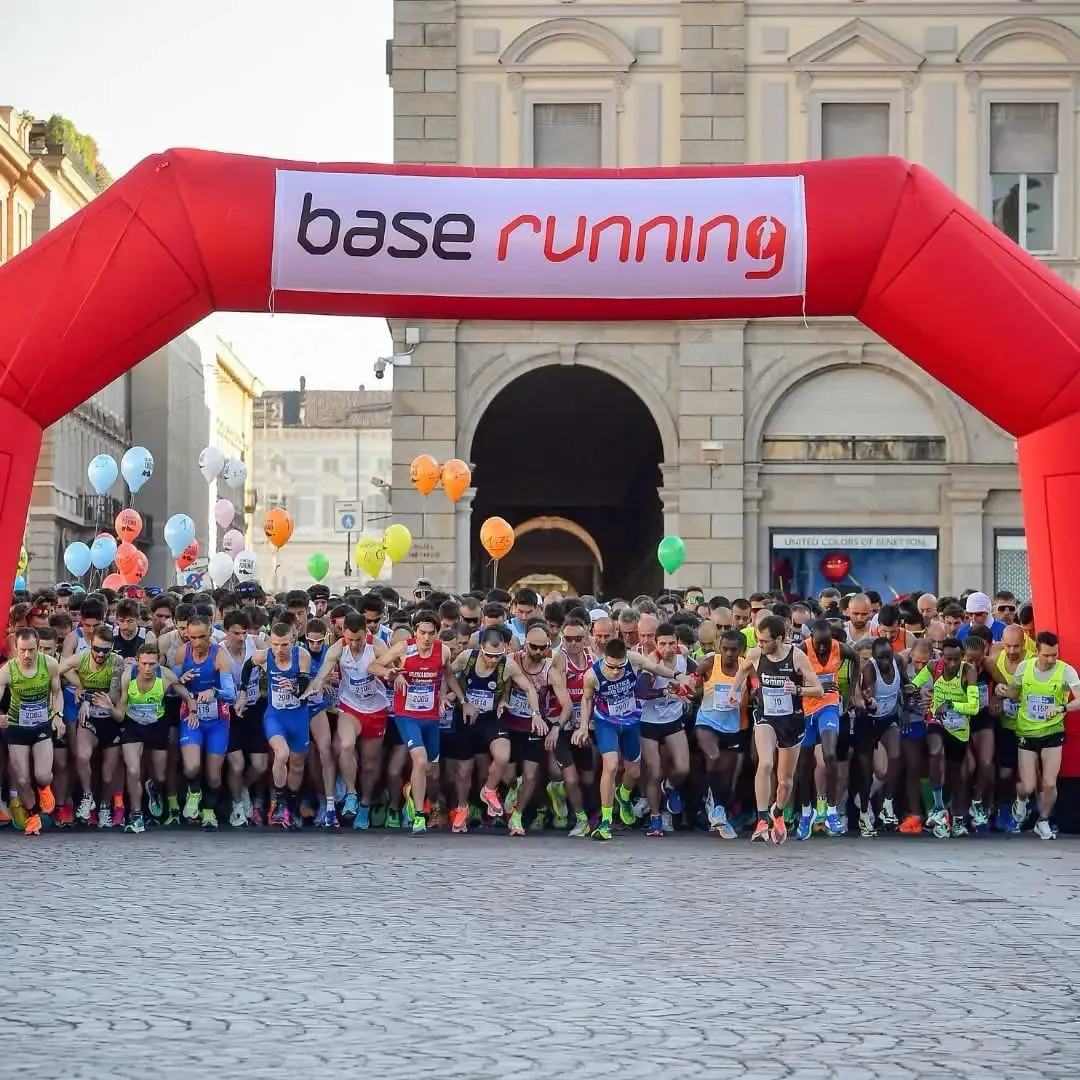
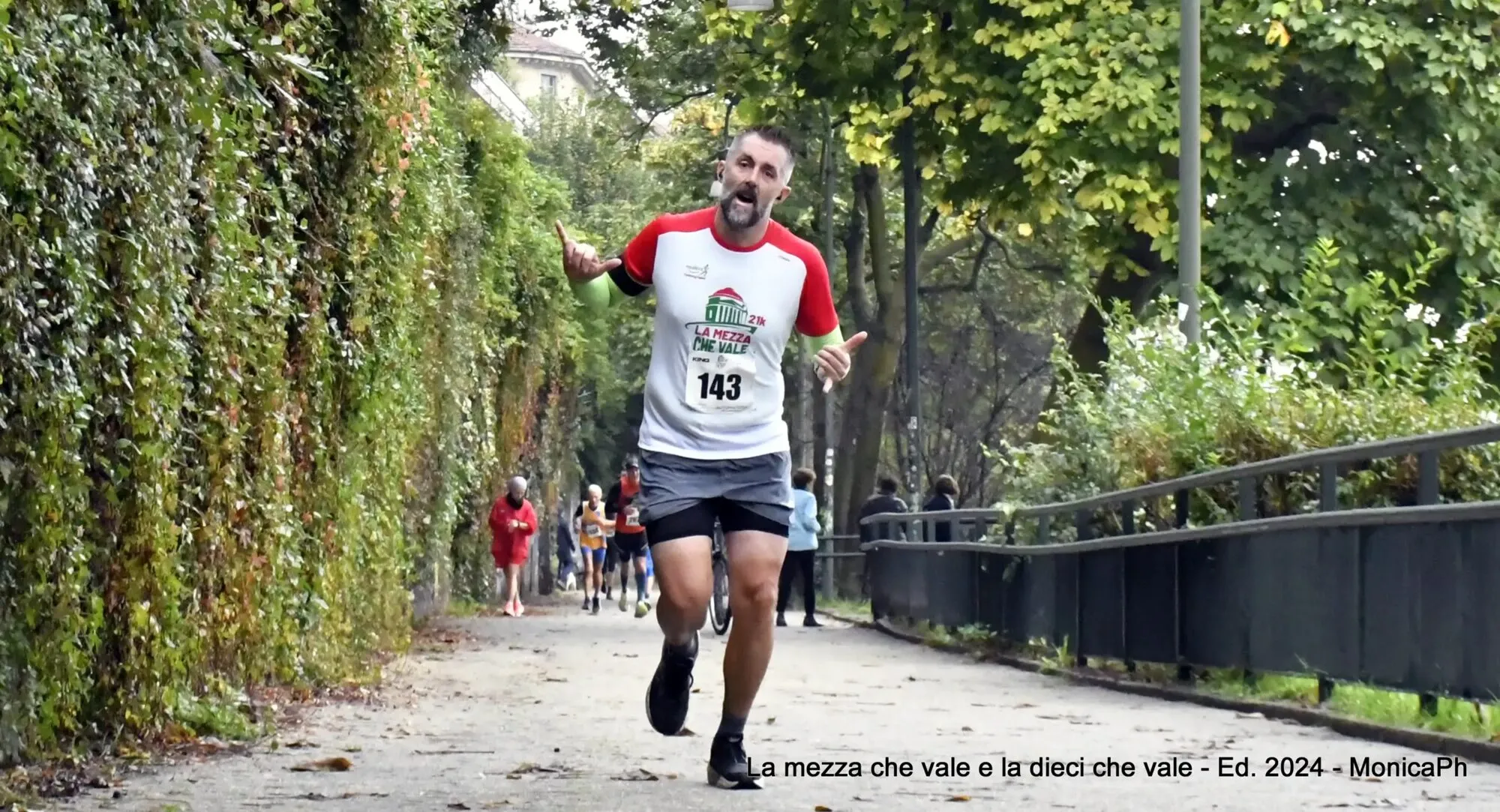
The sound of thousands of shoes on tarmac. The tense silence before the start. The burst of joy at the finish line, whether it’s a city 10k or an international marathon. Running is, above all else, a personal challenge and an incredible collective experience.
For years, that emotion was confined to the race course and the crowd barriers. But today the real contest is played out online. Sports digital marketing is no longer optional; it’s the main arena where a race’s success is built, where the passion of the running community is nurtured and, above all, where measurable results are generated for organisers and sponsors.
As an agency specialising in digital, at Digital Runner we see running event organisers every day – whether of local races, trail runs or big marathons – struggling to translate that incredible offline passion into online engagement that delivers value.
Enthusiasm alone isn’t enough to sell bibs for a half marathon, to persuade a technical sponsor to invest or to win back a participant for the next edition. You need a strategy. You need an analytical approach to emotion. A well-executed sports digital marketing strategy is what makes the difference between a “nice” event and one that sells out, turns a profit and has enthusiastic partners.
In this article we won’t just talk about “posting on Facebook”. We’ll show you how sports digital marketing is a complex ecosystem that’s fundamental to your B2B business, and how we approach it to help our partners cross the finish line.
Why is sports digital marketing (in running) different?
The first mistake we see is treating a running race like any other product. You’re not selling a pair of running shoes. You’re selling the experience of pushing past a limit, an identity (“I’m a runner”), belonging to a club, and entertainment.
Sports digital marketing applied to running strikes emotional chords no other sector can claim: challenge, health, discipline. That’s a huge advantage, but also a complex challenge. Your communication can’t be cold. It has to be authentic, immediate and full of the same passion as someone lacing up their shoes at dawn.
Unlike other sectors, sports digital marketing in running has to speak to two (or more) audiences at the same time:
- Runners and participants (B2C): what drives them is the stopwatch, the medal, the race pack, the services along the course and the sense of community with other runners. They want to feel part of something epic.
- Sponsors and partners (B2B): what drives them is data, ROI (return on investment), brand association (with positive values such as health and tenacity) and access to a targeted audience with good spending power.
Managing this dual nature is at the heart of an effective strategy. A post celebrating an amateur’s personal best at your race (B2C) is also an implicit report for that athlete’s technical sponsor (B2B). We live at this intersection, turning likes into entries and views into contractual value.
The real goals of sports digital marketing for your running event
As running event organisers, your goals are clear. You’re not interested in “visibility” for its own sake. You’re interested in bibs sold and sponsors who are happy. Let’s look at how sports digital marketing directly affects these KPIs.
1. Selling entries and bibs (generating revenue)
Launching a race, whether it’s a 10k, a half marathon or an ultra-trail, means filling places.
- Performance marketing (ads): we use targeted campaigns on Meta (Facebook/Instagram) and Google Ads to reach people who are actively searching for your type of race (e.g. “Rome marathon 2026”) or who resemble your past participants (lookalike audiences of runners, running club members, followers of industry influencers). We don’t scatter the budget; we concentrate it on those most likely to convert.
- SEO (search engine optimisation): a running event has strong local roots. We optimise your website not just for the main keyword, but for all related and local searches. If you organise the “Firenze Marathon”, we want you to come first when someone searches for “running races in Tuscany” or “marathon training”.
- Email marketing automation: your list of participants from previous years is gold. We create email marketing funnels that reactivate runners, offering early-bird entries and promotions, nurturing the relationship (with training tips) and turning them into loyal entrants.
2. Attracting and satisfying sponsors (the B2B value)
This is the crucial point. Modern sponsors (shoe brands, supplements, technical clothing) are no longer satisfied with a logo on the inflatable finish arch. They want digital activation.
This is where sports digital marketing becomes your best commercial ally. When you negotiate with a potential partner, you’re no longer just offering physical space; you’re offering:
- A qualified audience: “We’ll give you visibility to 500,000 running enthusiasts aged 30–50, through our social campaigns and our newsletter.”
- Co-branded content: “We’ll produce 3 video interviews with the top runners or the pacers, sponsored by your brand and distributed on our channels.”
- Lead generation: “We’ll collect contacts for your competition (e.g. ‘Win the new X shoes’) through a dedicated landing page on the event website.”
Offering sports digital marketing packages to your partners turns a simple sponsorship into a measurable media partnership. And guess what? When you can show a report with impressions, clicks and leads generated, that sponsor will come back the following year too. We help you build these packages and produce those reports.
3. Building the community (runner engagement)
A running event doesn’t just last for the Sunday morning of the race. It lives 365 days a year, through the training, the sacrifices and the preparation. Sports digital marketing is what keeps that flame burning.
- Before the event (hype): we build anticipation. Emotional videos, countdowns, interviews with the pacers, guides on “pre-race nutrition”, “how to handle the refreshment stations”, “the course explained metre by metre”.
- During the event (real time): this is our speciality. We handle live coverage on social media (Instagram stories from the course, updates on times, live broadcasts from the finish) so that people at home feel part of the show too. This generates a spike in user-generated content (UGC), the runners’ photos with their medals, which amplifies your reach at no cost.
- After the event (loyalty): the biggest mistake? Disappearing the next day. We publish photo albums (runners love looking for themselves in the photos!), “best of” videos and thank-you messages, and immediately launch the feedback survey (collecting data) and the “save the date” for the next edition.
Our winning sports digital marketing strategies in the running world
Now that we’ve defined the goals, let’s talk about the “how”. An agency like Digital Runner doesn’t improvise: it applies a tested method, a genuine digital “training plan”.
Content marketing is the pacer
Content is king, but in the running world it’s the pacer: it sets the rhythm, motivates and leads to the result. Content marketing is the beating heart of sports digital marketing. Publishing the results table isn’t enough.
We design editorial plans that tell stories.
- Runner storytelling: people connect with people. We tell the stories of effort and success of participants (from the top runner to the amateur running for charity).
- Technical content (SEO-driven): if you organise an ultra-trail, we write blog articles that answer questions such as “best nutrition for an ultra trail” or “how to choose trail shoes”. We reach users interested in the topic and bring them to your site, where they’ll discover your race.
- Video, video, video: Reels, TikTok, YouTube Shorts. Running is all about movement. Static content doesn’t work. We create fast, emotional video content (the effort, the finish line) optimised for viewing on mobile.
Social media: the runners’ community
Social media isn’t a noticeboard, it’s your community. It’s the place for cheering, sharing training sessions and asking for advice. Each platform has its role:
- Instagram/TikTok: for pure emotion, the aesthetics of running, the behind-the-scenes of preparing the course.
- Facebook: essential for runners’ groups, for official announcements and for reaching an older audience (often with more money to spend on entries and travel).
- Strava: a crucial niche platform. Creating an official race “Club”, launching branded “Challenges” and analysing segments are key activities for running-focused sports digital marketing.
- LinkedIn: for B2B communication, finding sponsors and showcasing partners.
Our community management is proactive: we reply, we spark discussion, we manage crises (e.g. “the refreshment station was empty!”).
Performance advertising: the final sprint
Organic content builds the base, but paid ads close the sale of the bib. We manage advertising budgets with a scientific approach.
- Retargeting: that user who visited the half marathon entry page but didn’t complete the purchase? We “follow” them with specific ads (e.g. “Last 100 bibs!”) that remind them why your race is unmissable.
- Geographic targeting: there’s no point showing the ad for your race in Palermo to someone who lives in Trieste (unless it’s an international marathon). We segment the audience to maximise the return on every euro spent.
Data analysis: the stopwatch (and the GPS)
In our approach to sports digital marketing, data is the stopwatch. We don’t rely on hunches. Every campaign, every post, every email is measured.
- Which creative generated the most race entries?
- What is the cost per acquisition (CPA) of a new runner?
- Which sponsor received the most clicks on their landing page?
We analyse the data and adjust the strategy in real time. Sports digital marketing without data analysis is like running a marathon without GPS: you’re just guessing.
The future of sports digital marketing: beyond the finish line
The world doesn’t stand still. Nor does sports digital marketing. We’re already looking further ahead, building elements such as these into our strategies for running events:
- Artificial intelligence: to personalise communication (e.g. sending different emails, with different recovery tips, to those who ran the 10k and those who ran the marathon).
- Immersive experiences (AR/VR): to let people “experience” the race course in advance from home, or to create branded filters for sponsors.
- Wearable integration: ever closer connection with Garmin, Strava and Apple Watch to create personalised post-race experiences, club leaderboards and digital certificates (NFTs) of each runner’s performance.
Staying up to date isn’t a bonus, it’s a requirement for competing.
Digital Runner: your strategic partner for sports digital marketing (in running)
We’ve seen how sports digital marketing applied to running is a complex ecosystem that weaves together B2B and B2C, emotion and data, strategy and responsiveness.
Effective sports digital marketing takes more than “someone who’s good with computers”. It takes a strategic partner who understands the unique dynamics of your sector and the psychology of runners.
At Digital Runner we’re not just experts in SEO, advertising and social media. We’re running enthusiasts who know how to translate that passion into a measurable marketing plan. We’re not just suppliers; we’re part of your team, your digital pacers. We work with you to define the goals, build the strategy and get you to the result.
Your event deserves a full start line, both physically and digitally.
Are you ready to take your running event to the next level?
Let’s talk about how our experience in sports digital marketing can help you fill your entries, excite your sponsors and build an unbeatable community of runners.
FAQ on sports digital marketing
What is sports marketing?
Sports marketing is the set of marketing activities that use sport – events, athletes, teams or federations – as a platform for promoting products, services or brands. It falls into two main strands: marketing of sport (promoting an event or a team) and marketing through sport (using sport to promote a third-party brand, as with sponsorships).
What is sports content marketing?
It’s a specific branch of sports marketing (and of sports digital marketing) focused on creating and distributing valuable content (articles, videos, podcasts, interviews) to attract and engage an audience of fans. The aim isn’t to sell directly, but to build authority, trust and a community around the sports brand.
How do you do sports marketing?
To do sports marketing effectively, especially online, there are 5 key steps:
- Define your goals: (selling tickets/bibs? Finding sponsors? Growing the fan base?).
- Know your audience: (who are the fans? Who are the participants? What do they want?).
- Choose the right channels: (social media, SEO, email, ads, etc.).
- Create emotional, valuable content: tell stories, don’t just sell.
- Measure the results: analyse the data to understand what works and optimise.
How has digital changed sport?
Digital has revolutionised sport on several levels:
- Consumption: people no longer just watch the match or race on TV, they comment on it in real time on social media (the second screen).
- Access: you can follow minor sports, athletes and behind-the-scenes content with an intimacy that was once unthinkable.
- Participation: tracking apps (such as Strava for running) have created digital communities of people who practise the sport.
- Business: it has created new revenue streams (streaming rights, e-commerce, NFTs) and made sports digital marketing essential for sponsorships.
How do you promote a sport?
To promote a sport (especially a minor or emerging one), digital is essential. You need to focus on storytelling (telling the athletes’ stories), create educational content (explaining the rules simply and visually, for example on TikTok) and use industry influencers to amplify the message. The aim is to lower the barrier to entry and create new fans.
How do you advertise a sports business?
To advertise a sports business (e.g. a gym, a sports centre, a local event such as a running race), the strategy needs to be hyper-local. You use tools such as local SEO (Google Business Profile) and geotargeted Facebook/Instagram ad campaigns, and rely heavily on reviews and digital word of mouth (user-generated content). Offering a free trial or an early-bird deal promoted online is often the winning tactic.
How does marketing work for sports clubs?
Marketing for sports clubs and teams is a delicate balancing act. On the one hand, it has to fuel the passion of the fans (B2C) with exclusive content, merchandise and interaction. On the other, it has to put together a solid B2B offer for sponsors, showing them the value of the partnership (in terms of visibility and access to the target audience). Sports digital marketing is what lets you manage both of these streams professionally and measurably.