



















Running in Italy: an ecosystem to decode
Alessandro Papaupdated on 6 min read
IN SHORT
Running grew strongly in Italy in 2024: 53,825 marathon finishers (+16%) and almost 160,000 in half marathons, a sign that it's no longer a niche but a market. Amateur runners don't buy "a race bib": they buy an experience lasting months, made up of training, travel and many marketing touchpoints. Behind a race there's a complex machine: funnels and ticketing with e-commerce-style peaks, CRM and profiling, sponsor activations and UGC management. The audience is changing too: more women, more young people and more foreigners, with Italy increasingly a destination for "running tourism". Technology and community (wearables, Strava and run clubs) amplify the phenomenon and raise expectations: if the organisation doesn't work, runners notice straight away.
Topic of our service Analytics & Data · industry Running and events
Behind every race bib there’s an invisible machine. Here’s what we see from the other side of the finish line.
There’s one number that says it all: 53,825.
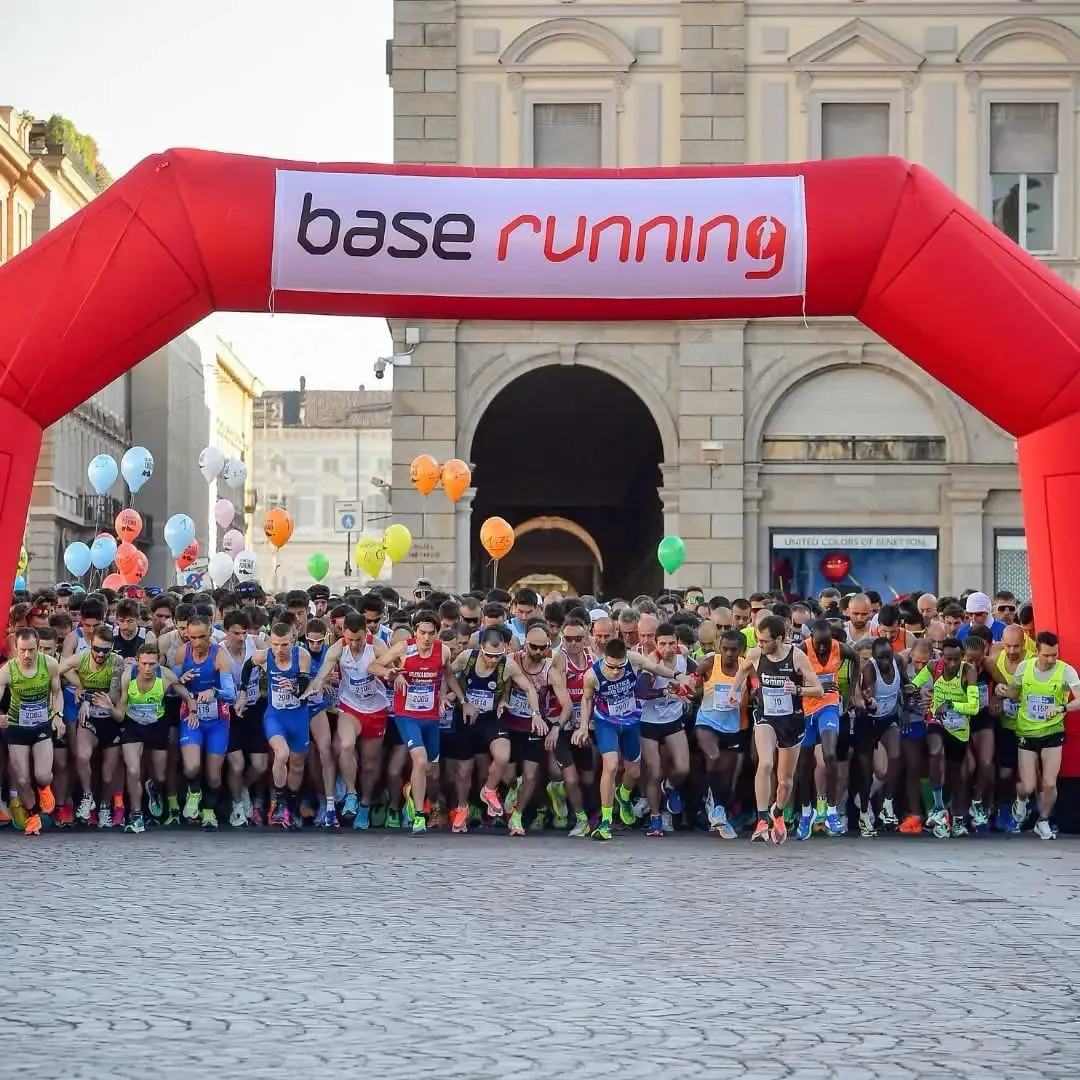
That’s how many people finished marathons in Italy in 2024. 16% more than the year before. Widen the view to half marathons and we get to almost 160,000 people crossing an official finish line in a single year.
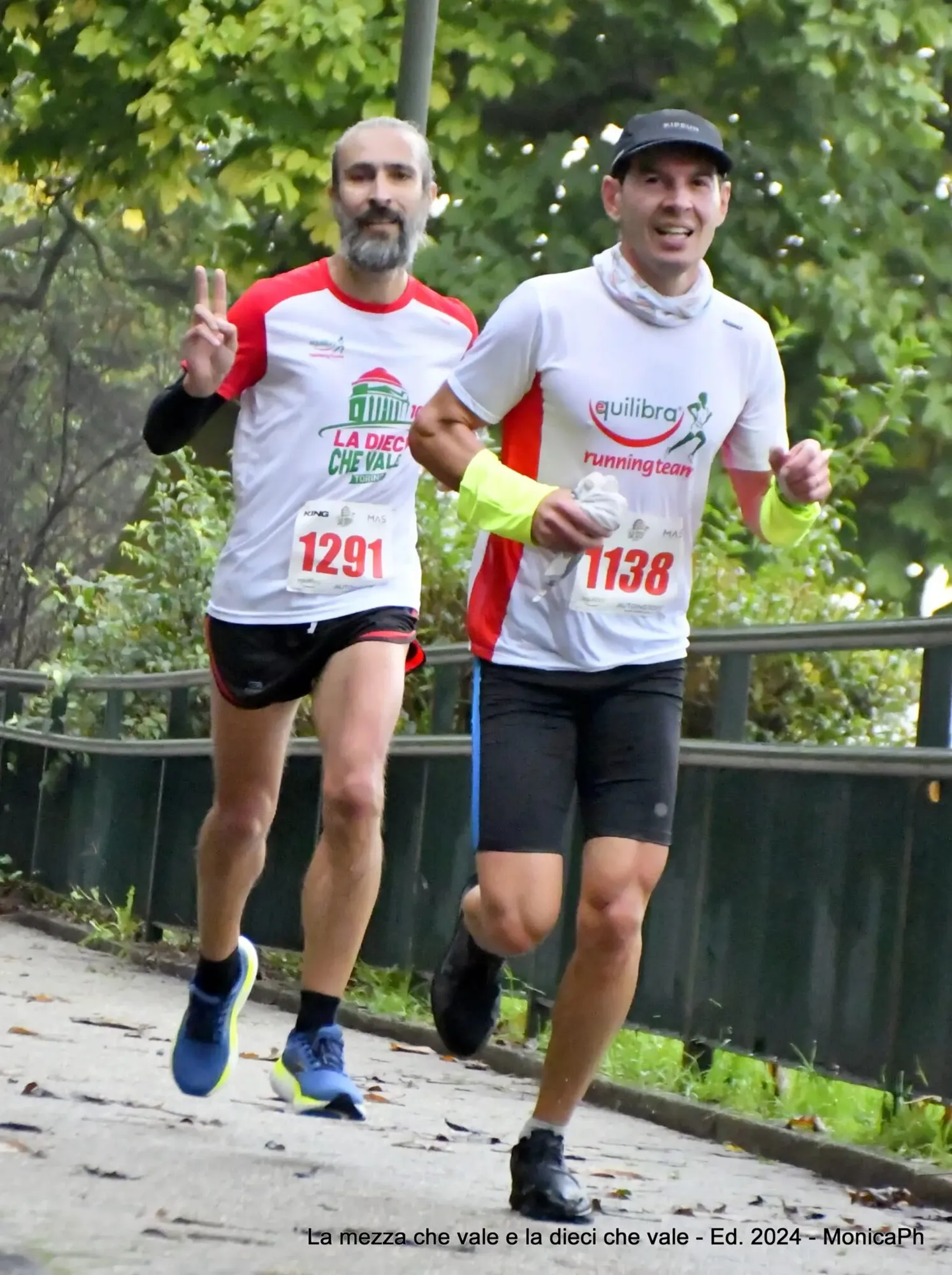
And no, we’re not talking about professional athletes. We’re talking about office workers, parents, pensioners, students. People who, like us, get up at five in the morning to run before going to work. People who book a flight to Florence or Rome (not to mention international events such as New York, Paris, London, Berlin or Valencia) not to see a museum, but to run 42 kilometres through the city.
Running in Italy has exploded. And anyone working in sports event marketing knows it.
The numbers behind a phenomenon that isn’t slowing down: running in Italy
Let’s start with the data, because it (almost) never lies.
According to ISTAT, the Italian national statistics institute, athletics, running and jogging involve 18.3% of people who play sport in Italy, around 4 million people. That’s up from 16.8% in 2015, confirming a positive trend.
The marathons with the most participants in 2024 map out a clear geography:
- Run Rome The Marathon: 15,168 finishers, +35% on the previous year
- Firenze Marathon: 8,872 finishers
- Milano Marathon: 6,913 finishers, with 56% of entrants from abroad
Then there’s trail running, which is growing even faster: +83% participants between 2022 and 2025, with the number of races almost doubling.
This is no longer a niche. It’s a market.
Runners don’t buy a race bib: they buy an experience
Here’s the point that’s often missed by people looking at the phenomenon from the outside.
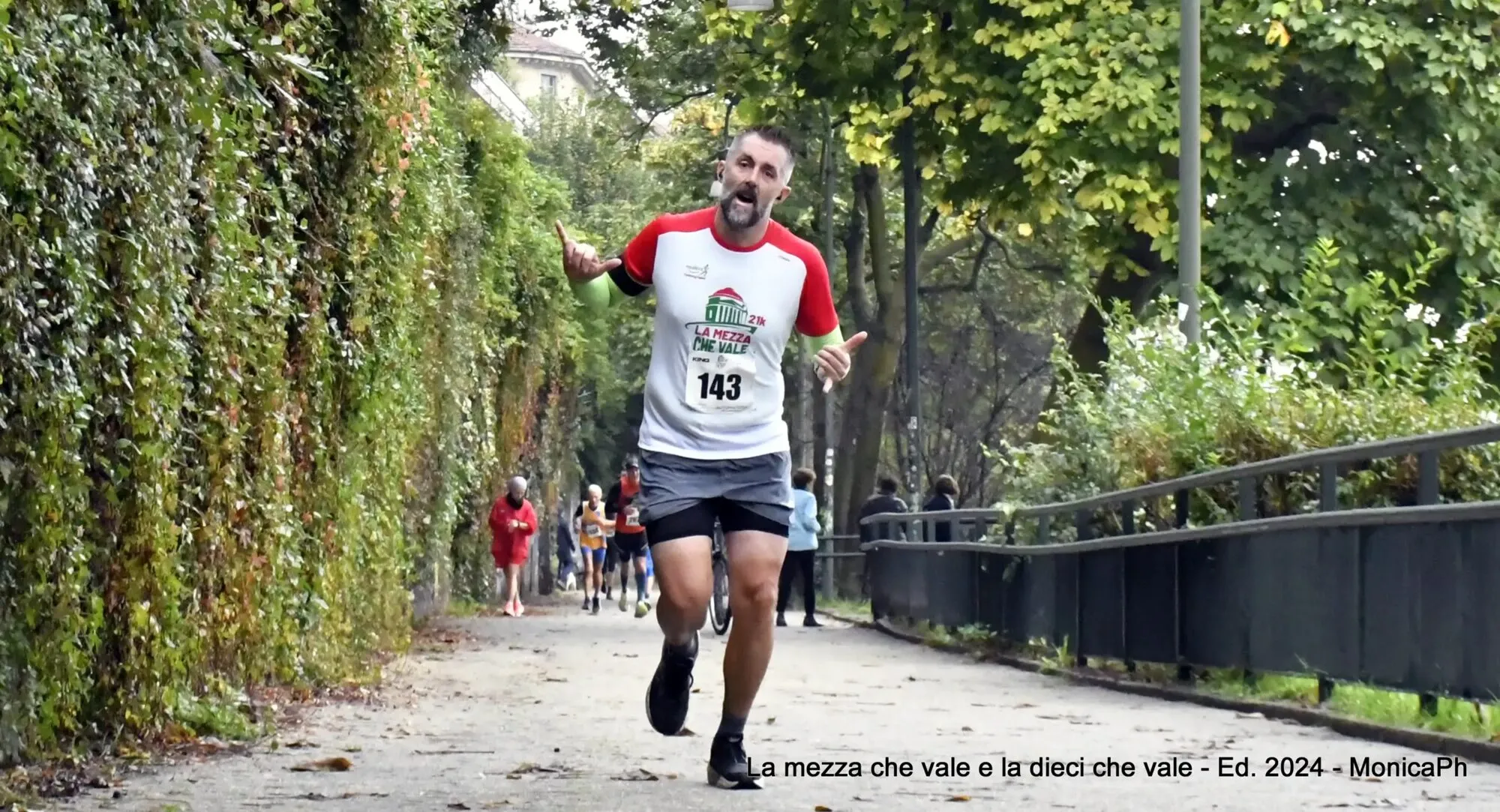
Amateur runners (or the tapascione, as Italians call the slower plodders, like yours truly, who finishes 42 km in over 3h40’) don’t enter a race for the bib or the medal (nor to win it). They enter to live something. The anticipation, the training, the trip, the race, the aftermath. It’s an experience that lasts months and plays out across many touchpoints: newsletters, social media ads, native and programmatic campaigns on online newspapers, word of mouth in running groups, photos tagged in the days after the event.
According to Adidas data on the habits of Italian runners:
- 52% ran at least one 5 km race in the last year
- 44% ran a 10 km
- 29% completed a half marathon
- 19% completed a marathon
There’s a clear progression. And event organisers know it: the runner doing a 10 km today is tomorrow’s marathoner. Building a relationship with them means investing in a long life cycle.
What’s behind a running event (and why it’s so complex)
When you see thousands of people crossing a finish line, you’re looking at the tip of the iceberg. Underneath there’s an organisational and digital machine that works for months.
Ticketing and registration funnel
A running event handles traffic peaks comparable to an e-commerce site on Black Friday. Early bird pricing, time-limited offers, group discounts, service upgrades. Every race has its own funnel, with conversion logic that needs optimising week after week.
Profiling and CRM
People who enter a marathon leave behind an enormous amount of data: age, where they come from, estimated finish time, race history, preferences. This data feeds remarketing campaigns, personalised newsletters and targeted offers. A well-managed database is an organiser’s real asset. The same goes for sports clubs and their members: that’s why we developed ClubRM, the management software for amateur sports associations and sports clubs, where fees, medical certificates and renewals sit in the same archive as the members.
Sponsor activation
Events work thanks to sponsors. And sponsors want visibility, contacts and concrete activations. Building sponsorship packages that work means understanding what each brand is looking for and how to integrate it into the runner’s experience without distorting it.
User-generated content
On race day, thousands of runners post photos and videos in real time. It’s an impressive organic reach machine. But it needs managing: official hashtags, photo opportunities along the route, post-race contests. Nothing is left to chance.
Local economic impact
Run Rome The Marathon 2024 generated 50 million euros in economic impact. 52% of runners choose Rome for the beauty of the route, 40% for the pleasure of competing and 38% for the atmosphere. Understanding where participants come from, where they stay and what they spend is essential for building partnerships with the local area.
The demographics are changing: more women, more young people, more foreigners
Data on who takes part shows some interesting trends.
Age: the golden age of the Italian runner is still between 35 and 44, but the over-65 group is growing (from 5% in 1995 to 30% today) and the bigger races are gradually getting younger.
Gender: women make up around 28% of all runners, but the percentage is rising. At the RomaOstia 2025 the female share reached 34%, up 9% on the previous edition.
Origin: Italian races are attracting more and more foreigners. The Milano Marathon 2025 recorded 56% international entrants from 106 countries. The RomaOstia reached 42%.
This means event marketing has to speak different languages, literally and metaphorically. And Italy is becoming an increasingly important destination for “running tourism”.
The technology that goes with the runner
The wearables market is growing strongly: more than 50 million devices shipped in the second quarter of 2025, +13% on the previous year. In Italy, use is increasing above all among 25-45-year-olds.
The most widely used apps:
- Strava: over 150 million registered users, the reference point for people who run and cycle
- Adidas Running: real-time tracking and personalised plans
- Runna: acquired by Strava in April 2025, it offers tailored training plans
43% of Strava users say they want to conquer a race or major event in 2025. This figure alone shows how central the competitive element is, even among amateurs.
Running clubs and new ways of socialising
There’s another phenomenon transforming Italian running: run clubs.
Inspired by international movements such as “Bridge the Gap”, projects like Runcore and Runners of Rome are turning running into a social phenomenon. It isn’t just about training together: it’s about building community, with post-run drinks, DJ sets and cultural events.
23% of Gen Z adults prefer to meet people through offline activities rather than dating apps. The running club becomes a place for genuine socialising, where shared effort creates bonds.
For event organisers, this means rethinking the experience: no longer just a race, but a collective moment.
Why we work in this sector
At Digital Runner we’ve been doing marketing for sports events for years. And no, it’s not by chance.
We run. We take part in the races we promote. We know the feeling of getting up at five in the morning for a long run, the nerves at the start, the fatigue at the thirtieth kilometre.
But above all, we’re fascinated by the complexity of what goes on behind the scenes. The data ecosystem, managing peaks, conversion dynamics, sponsor activation, community building.
It’s a vertical that’s alive, fast and brutally honest. If the organisational machine isn’t running smoothly, it shows straight away. Runners don’t forgive.
And perhaps that’s exactly what we like most about it.
Have a sports event to promote? Let’s talk.