























When to start promoting a running race: the five-month calendar that leads to a sell-out
Alessandro Papa13 min read

IN SHORT
Campaigns for a half marathon or a city 10K usually start four or five months before race day. First you build the foundations: a complete race page, the course, the race pack, prices with clear deadlines. Then you alternate content and campaigns, use price increases as moments to push and bring back people who visited the website without entering. At the Mezza and Dieci che Vale in Turin, this calendar led to a sell-out about ten days before entries closed, with almost 3,000 athletes on the start line.
Topic of our service Running and sports events · industry Running and events
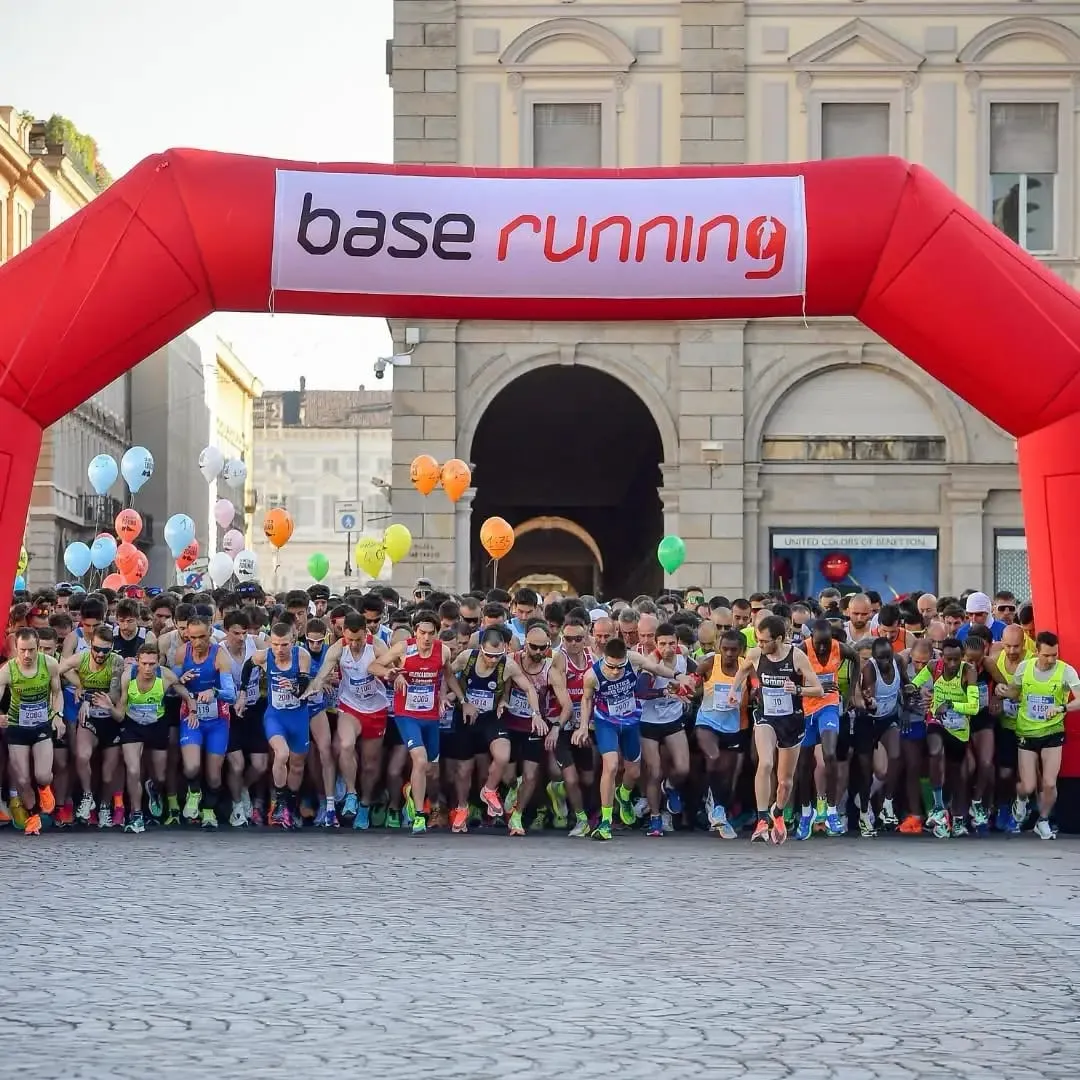
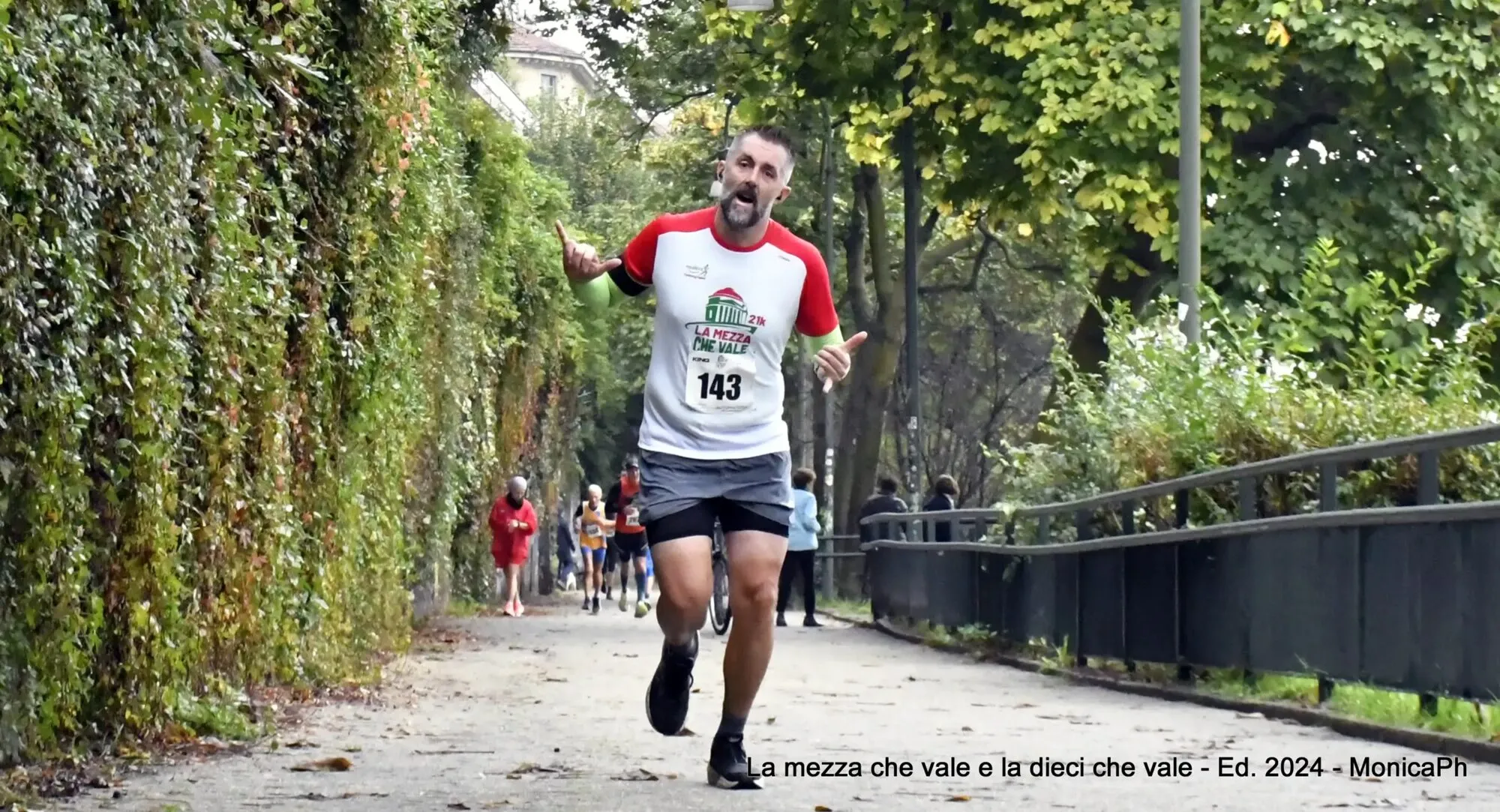
Sunday 25 October, Piazza Vittorio in Turin, just before half past eight. Almost 3,000 athletes are waiting for the start of the Mezza and the Dieci che Vale, organised by Equilibra Running Team. Entries closed days ago: all three races, the half marathon, the competitive 10K and the non-competitive 10K, sold out about ten days before the deadline. Anyone who organises races knows that this result is not decided in the final week. It is decided in June, when nobody is thinking about October yet.
The short answer: for a half marathon or a city 10K, campaigns usually start four or five months before the race. The first months are for building the foundations (a complete race page, the course, the race pack, prices with clear deadlines) and for being found by people planning their season. The middle phase alternates content and campaigns, with price deadlines as moments to push. The final weeks are for people who have already visited the website without entering. If the work is done well, the sell-out comes before entries close, and the race already has its audience for the following year.
This article is about the calendar: what to do and when. If you are looking for an overview of the tools (website, social media, email, partnerships), see how to promote a running race. The story of the day, with photos, videos and podiums, is on the event page, in Italian.
Why do campaigns start four or five months before?
Because runners do not choose a race the week before. They choose it when they plan their season: they decide which half to run in the autumn, put it in the diary and build their training around that date. If your race is not there at that moment, in their feeds or in search results, they will choose another one.
There are practical reasons too, which we see every season:
- Campaigns need time to learn. Advertising platforms find the right audience after a few weeks of data. Starting late means paying for the learning phase exactly when you need entries.
- The audience to bring back has to be built. Someone who visits the race page in July without entering is the easiest person to convince in September. But in September they have to exist, so the first visits have to come earlier.
- Price deadlines only work if someone is waiting for them. A price increase pushes people who already know the race to enter. If someone discovers the race on the day of the deadline, it pushes nobody.
- Other organisers do not wait. In the autumn the race calendar is busy, and whoever reaches the feeds first takes the space.
Four or five months is not a fixed rule: for a small race or a first edition you can start later with more content, and for a marathon you start much earlier. But for a half marathon and a city 10K, it is the window we usually work with.
The calendar, month by month
This is how we divide the months before a race like the Mezza and the Dieci che Vale. The dates shift depending on race day; the sequence stays the same.
| When | Goal | What we do |
|---|---|---|
| 5-4 months before | Be found | Complete race page, entries open, announcement on social media, first campaigns to make the race known |
| 4-3 months before | Give reasons to choose | Course video, shirt and race pack, the team inviting people to run, campaigns driving to the website |
| 3-1 months before | Turn interest into entries | Campaigns aimed at website visitors, price deadline announcements, community content |
| Final 3-4 weeks | Close | Last price band, places running out, reminders to people who have not finished entering |
| Race week | Inform | Bib collection, times, course, last-minute notices |
| After the race | Start again | Photos, videos, results, thanks, date of the next edition |
Five and four months before: the foundations
Before spending a single euro on advertising you need somewhere to send people. The race page must answer every question of someone wondering whether to enter: date, start time and place, distance and type of race, course, what is in the race pack, prices and deadlines, rules, how to enter. For the Mezza and the Dieci che Vale, the pages on the Equilibra Running Team website have all of this, including the technical shirt in photos and the gluten-free race pack prepared with AIC Piemonte, which for some runners is the reason to choose that race.
How the page presents itself to Google matters too. For event pages Google reads Event structured data: date, place, organiser, status. We wrote about it in SEO for local events.
Four and three months before: reasons to choose
By now part of the race’s audience knows about it. Now you need to give them reasons to choose it. For the Mezza che Vale the course video came out in July: runners want to see where they will go, and a course that starts in Piazza Vittorio, runs up Via Po and crosses Piazza Castello sells itself well in pictures.
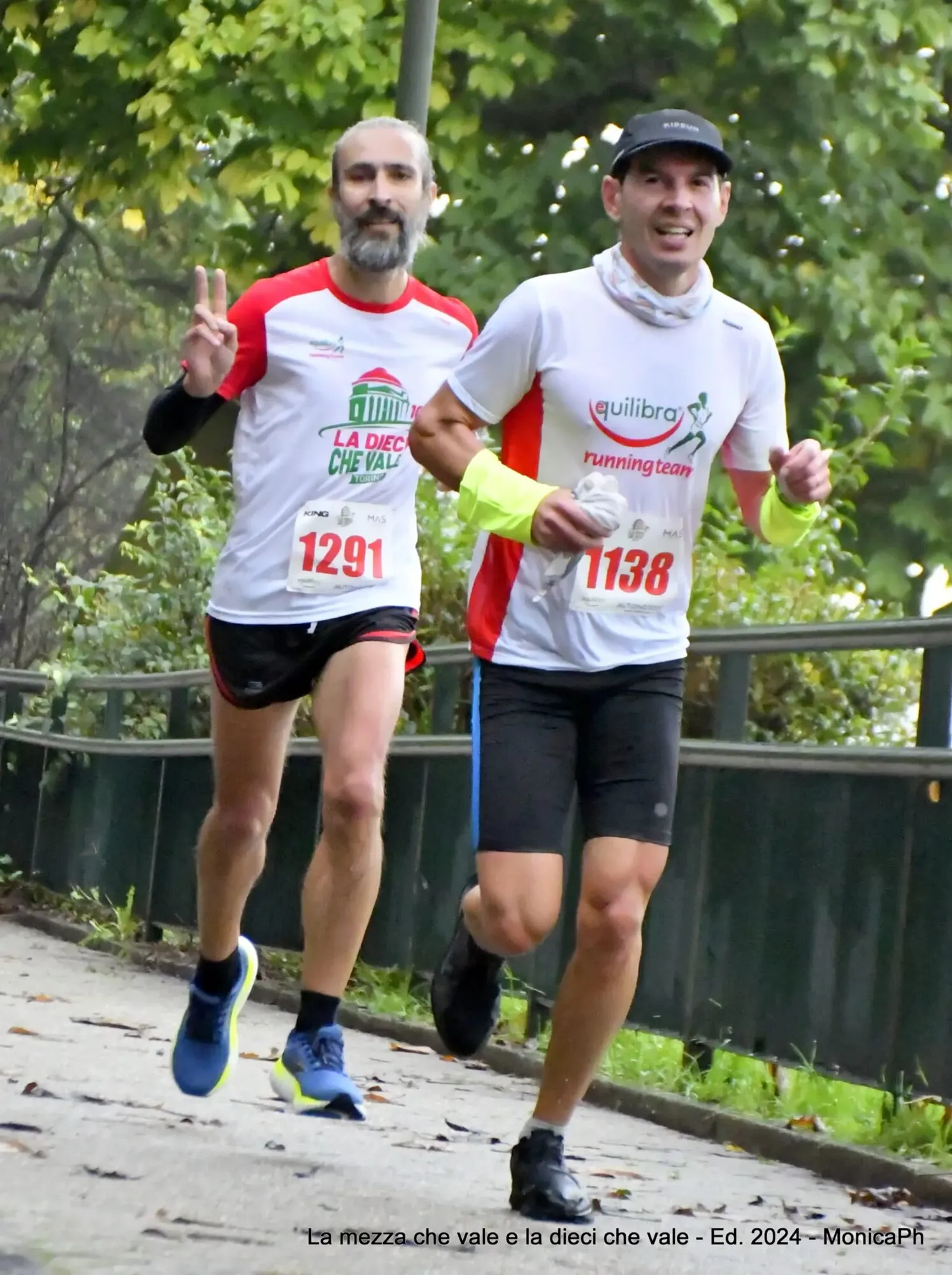
People work very well too. With Equilibra Running Team we shoot vertical videos with the team’s athletes, who poke fun at themselves, train and invite others to run, and with Lucio, the coach, who promises that on 25 October Turin is a great place to run. Real faces instead of an advert: viewers recognise themselves, and a race organised by a group of friends is best told that way.
Three months to one month before: from interest to entry
This is when campaigns work hardest. On Meta we run two fronts: campaigns that bring new people to the race page and campaigns that bring back people who have already been there. The second kind is built with a website custom audience, meaning the people who visited the race pages. It is a small, valuable audience: they already know the race exists and only need a reason to enter now.
That reason, almost always, is a price deadline. For the 2026 Mezza che Vale the entry fee was 25 euros until 15 September, 30 until 10 October and 35 after that. Every deadline is a small campaign of its own: announce it a few days before, remind people the day before, say when it has passed.
The final weeks: closing
In the final weeks entries speed up, and the job changes: it is no longer about convincing people but about removing obstacles. Reminding them of the deadline, answering questions, saying clearly how many places are left when they start running out.
And if the sell-out comes, announce it straight away. At the Mezza and Dieci che Vale the sell-out came about ten days before entries closed, for all three races. The website pages said so at the top, and from then on communication turned to the people who had entered.
Race week: informing
In race week, entrants look for practical information: where to collect the bib, at what time, where to leave bags, what changes for traffic. And the unexpected happens. This year, because of another event in the square, Saturday’s bib collection was moved earlier: from 9 am to 2 pm instead of 10 am to 5 pm. The notice appeared at the top of the website and on the race pages. A few runners spared a wasted trip are worth more than any campaign.
After the race: the next edition starts that evening
Race day is when you collect the images you will use all year. We were in Piazza Vittorio and among the runners taking photos and filming, and the images are already on the event page, together with the podiums. In the following days come galleries, results and thanks. And as soon as it is known, the date of the next edition: a runner who finished happy is next year’s first entrant.
How much does price matter in the calendar?
A lot, but not as a discount. Rising prices mainly give communication a rhythm: every price change is a date with a concrete reason to act. Without deadlines, the September campaign and the October campaign say the same thing, and people who keep putting it off keep putting it off.
Two things we always do:
- Deadlines written everywhere, always the same. On the website, in posts, in ads, on the flyer. A different date on different channels creates questions and distrust.
- A last price band not too close to the race. If the race sells out before entries close, the last price band is paid by people entering in the weeks of highest demand. That is fine: it is when the race is worth the most.
What changes between a half marathon and a 10K open to everyone?
The audience. Someone running the competitive half is a club member, has a race calendar and chooses early: for them the course, certification, times and services matter. The non-competitive 10K, open to walkers too, speaks to people who do not see themselves as runners: groups of friends, colleagues, families, people who want to try their first race. They decide later and decide together.
That is why, within the same event, the messages need to be kept apart. Campaigns for the half talk about a fast course, FIDAL certification and the technical shirt. Campaigns for the 10K talk about a morning in the centre of Turin, starting alongside everyone else and not needing to be an athlete. At the Mezza and Dieci che Vale the non-competitive 10K was the biggest race.
Are Facebook and Instagram enough, or do you need more channels?
For the Mezza and the Dieci che Vale we focused the campaigns on Meta, meaning Facebook and Instagram: it is the channel where a city race reaches local runners fastest, and where the Equilibrati’s videos work best.
When the budget allows, though, the choice that pays off most is a multichannel strategy that reaches runners wherever they spend their time:
- Meta (Facebook and Instagram) to make the race known and bring back people who visited the website.
- Google Ads for people already searching for a race: “half marathon Turin October”, “10K Turin”. There is no warmer demand.
- TikTok to reach a younger audience and people who do not see themselves as runners yet, with the same vertical videos shot with the team.
- YouTube for the course video, which is longer than a reel and gets watched calmly before deciding.
- Email to people who ran previous editions, the easiest audience to bring back to the start line. We wrote about it in email marketing for sports events.
Each channel reaches different people at different moments, and the runner who sees a reel on Instagram in the evening may search for the race on Google the next day. The more channels you cover, the fewer entries you lose along the way. For the Weekend Reale in Venaria, for example, we ran campaigns on both Meta and Google, including in France: we tell the story on the event page, in Italian.
What we learned from the Mezza and Dieci che Vale
Three things that apply to any city race.
The team fills the race; we give it a megaphone. Equilibra Running Team has a community of more than 300 runners who wear the same red and white shirt. The most convincing people to invite others to a race are them, not an advert.
The website is at the centre of everything. Every campaign, every post, every notice leads to the same page. If the page is complete and up to date, the campaigns pay off; if a piece of information is missing, all of them pay the price.
A sell-out is not the end of the work. When entries close the goal changes: giving the people who are there a good day, collecting images and stories, preparing the next edition. All our work for Equilibra, season by season, is in the Equilibra Running Team case study.
Mistakes to avoid
- Starting campaigns a month before the race. The platforms have no time to learn, the audience to bring back does not exist yet and everything costs more.
- Sending people to an incomplete page. If the course, race pack or prices are missing, people arriving from ads leave, and you pay for every click.
- The same message for every distance. Someone preparing for a half and someone looking for a first 10K with friends need to hear different things.
- Deadlines announced only once. Every price change should be announced, reminded and closed.
- Leaving campaigns running after the sell-out. You spend money bringing people to a page where they can no longer enter.
- Disappearing after the race. The weeks afterwards are the best time to collect contacts, show the images and announce the next edition.
Organising a race and want to sell out?
For running race organisers we look after the website, social media, videos and entry campaigns, with one team that knows running from the inside. You can see how we work on the page about marketing for running events. You can book a call with Federico or write to us using the contact form.
Frequently asked questions
How many months before should you start promoting a running race?
For a half marathon or a city 10K, campaigns usually start four or five months before. That is the time needed to be found by people planning their season, build the audience to bring back and make use of price deadlines. For a marathon you start much earlier.
When should race entries open?
Before the campaigns, and with the race page already complete: course, race pack, prices and deadlines. Opening entries early lets you communicate the rising prices, which are the moments when entries speed up.
Do price deadlines really help?
Yes, above all as a rhythm for communication. Each price change gives people who already know the race and were putting it off a concrete reason to enter now. They work if they are the same on every channel, announced in advance and reminded on the day.
What should you do when a race sells out?
Announce it straight away on the website and social media, stop the entry campaigns and switch to communication for entrants: bib collection, times, course, notices. At the 2026 Mezza and Dieci che Vale the sell-out came about ten days before entries closed.
Facebook and Instagram or Google for a running race?
Both, when the budget allows. Meta (Facebook and Instagram) is usually the main channel for making a race known and bringing back website visitors, because runners are easy to reach by interests and area. Google captures people already searching for “half marathon Turin October”. Adding TikTok, YouTube and email to people who ran previous editions lets you cover the widest audience, and it is the choice that pays off most.